
The Best Tripod for Landscape Photography Beginners: Why 2026's Lightweight Carbon Fiber Revolution Changes Everything
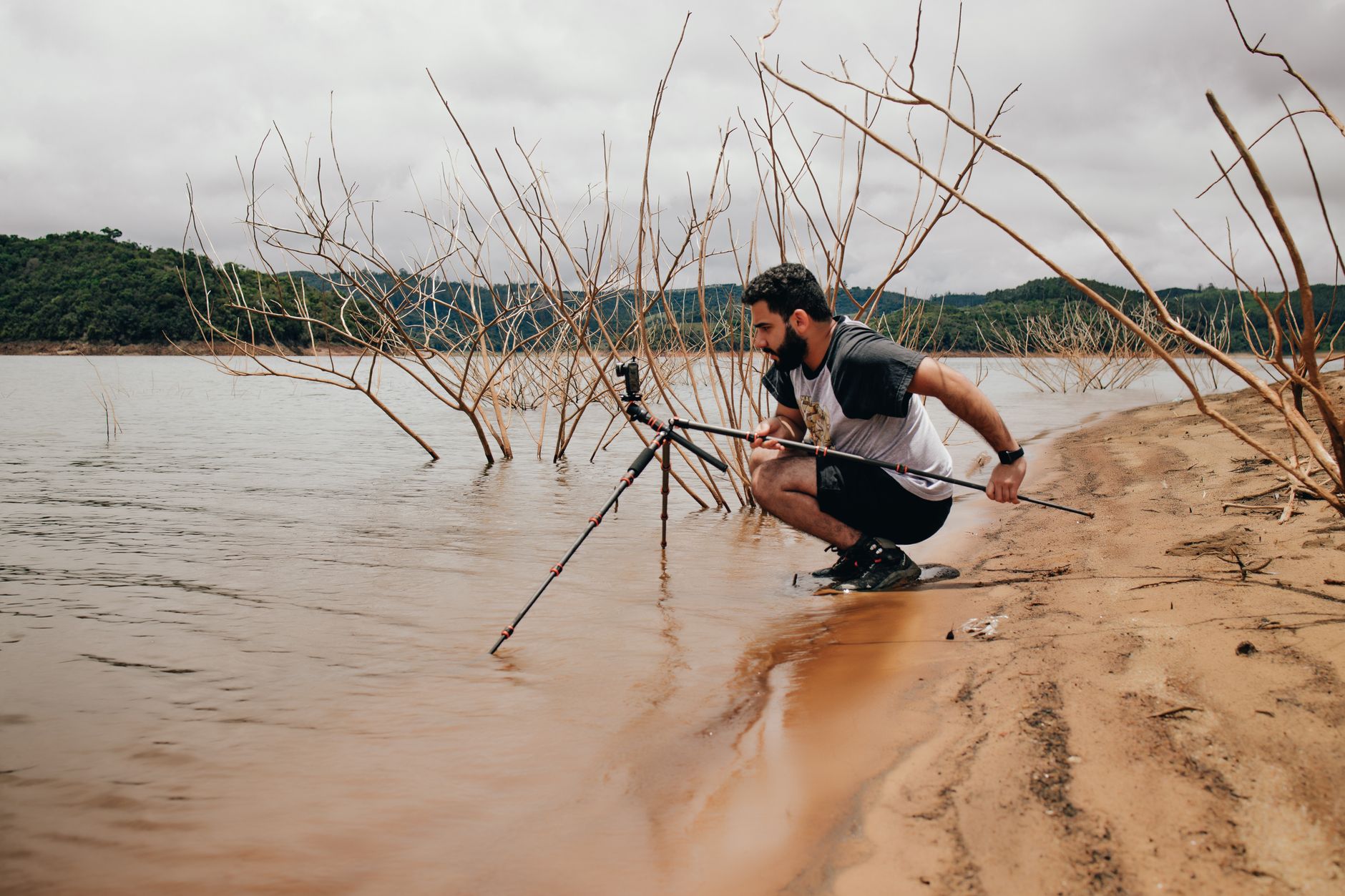
The landscape photography world is experiencing a quiet revolution this summer. As mirrorless cameras continue to shed weight—Sony’s A7C II and Canon’s EOS R8 now barely tip 500g—photographers are finally asking why they’re still lugging 2kg aluminum tripods into the backcountry. The answer? They shouldn’t be. The best tripod for landscape photography beginners in 2026 isn’t the bulky studio relic your mentor recommended five years ago. It’s a sub-1.5kg carbon fiber system that costs less than a mid-range lens and won’t destroy your shoulders before sunrise.
If you’re just starting your landscape journey, the tripod market has never been more beginner-friendly—or more confusing. Let me cut through the noise with what’s actually worth your money right now.
Why Your Tripod Choice Matters More Than Your Camera Body
Here’s the uncomfortable truth that gear forums won’t tell you: a $500 camera on a solid tripod will produce sharper landscape images than a $3,000 camera on a wobbly one. Beginners obsess over sensor size and megapixels while ignoring the single piece of gear that actually enables their creative vision.
Landscape photography demands long exposures, focus stacking, bracketed exposures, and precise compositions that you simply cannot handhold. The golden hour light you hiked three hours to capture? It disappears in minutes. If your tripod takes 90 seconds to set up and still sways in a light breeze, you’re missing shots while fiddling with leg locks.
The best tripod for landscape photography beginners needs to solve three specific problems: setup speed, wind resistance, and carrying comfort on long hikes. Aluminum tripods fail on all three. The 2026 carbon fiber options—finally dipping below $150 for entry-level models—solve them without the premium price tag that scared previous generations of photographers.
Carbon Fiber Under $200: The 2026 Game-Changer
Two years ago, a decent carbon fiber tripod started at $300. Today? Three legitimate contenders sit under $200, and they’re not cutting corners on the features that matter for landscapes.
The K&F Concept TC2534 ($159) has become the unexpected darling of beginner landscape shooters. Weighing 1.28kg with a 10kg load capacity, it handles full-frame setups with 24-70mm lenses without complaint. The twist locks deploy in roughly 8 seconds per leg—critical when you’re racing changing light. I’ve watched beginners go from packed to shooting in under 45 seconds, compared to the 2+ minutes typical of budget aluminum alternatives.
SmallRig’s CT-10 ($189) entered the market in March 2026 and immediately disrupted the sub-$200 category. Its unique selling point? A removable center column that converts to a monopod for hiking shots where full tripod deployment isn’t practical. For landscape beginners still developing their compositional style, this versatility accelerates learning—you’ll experiment more when switching modes takes 10 seconds.
Ulanzi’s F38 Quick Release system ($149, legs only) takes a different approach. It sacrifices maximum height (reaching only 138cm versus the typical 160cm+) for packability that fits inside standard 20L camera backpacks. For photographers prioritizing dawn patrol hikes and airline carry-on compliance, this trade-off makes sense. You’ll shoot more often if your gear actually travels with you.
The Specs That Actually Matter (Ignore Everything Else)
Tripod manufacturers love throwing meaningless numbers at beginners. Here’s what deserves your attention, with specific thresholds for landscape work:
Weight vs. Load Capacity Ratio: Aim for at least 6:1. If your tripod weighs 1.5kg, it should hold 9kg minimum. This ratio indicates genuine carbon fiber construction rather than thin-walled aluminum pretending to be premium.
Leg Section Count: Four-section legs pack smaller; three-section legs are more rigid. For landscape beginners, three sections win. You’ll rarely need the compact packing of four-section designs, and the reduced vibration translates directly to sharper 30-second exposures.
Center Column: Avoid it entirely when possible. Raising your center column to gain height turns your tripod into a monopod with three wobbly legs. The best tripod for landscape photography beginners either omits the center column or includes one that removes completely. At 5’10”, I shoot 95% of my landscapes with the column removed and legs at standard spread.
Feet: Interchangeable feet matter more than you’d expect. Rubber for rock, spikes for mud and snow, and the 2026 trend of suction-cup hybrid feet for wet coastal environments. The SmallRig CT-10 includes all three in-box—a $40+ value that most beginners don’t realize they’ll need until their first slippery waterfall shoot.
What to Spend: The Real Budget Breakdown
Beginners consistently under-budget tripods, allocating 5-10% of their gear spending when 15-20% produces dramatically better results. Here’s the honest math for a complete beginner landscape setup in 2026:
| Component | Sensible Budget | What Most Beginners Spend |
|---|---|---|
| Camera body | $800-1,200 | $1,000-1,500 |
| Landscape lens (wide zoom) | $400-800 | $600-1,000 |
| Tripod + head | $180-250 | $80-120 |
| Filters (ND + polarizer) | $150-200 | $200-300 |
That underspent tripod category? It’s sabotaging the other investments. A $1,200 camera on a $90 tripod produces soft images. A $600 camera on a $200 tripod produces sharp, printable work.
The sweet spot for the best tripod for landscape photography beginners sits at $160-220 including a ball head. Below $160, you’re compromising on stability that directly impacts image quality. Above $220, you’re paying for features—multi-angle center columns, carbon fiber weave patterns, brand prestige—that beginners rarely utilize.
One specific recommendation: budget an additional $35-50 for an L-bracket specific to your camera model. This Arca-Swiss compatible plate stays mounted permanently, allowing instant vertical compositions without tipping your tripod into the unstable center-column-raised position. Vertical landscapes are non-negotiable for serious work, and the L-bracket transforms how often you’ll attempt them.
Mistakes Every Beginner Makes (And How to Avoid Them)
I’ve guided dozens of beginning landscape photographers through their first tripod purchases. These patterns repeat constantly:
Buying “future-proof” load capacity: Beginners purchase tripods rated for 15kg because they might someday own a 70-200mm f/2.8. That day rarely arrives for dedicated landscape shooters, and the extra capacity means extra weight carried on every hike. A 10kg rating handles virtually any landscape setup including telephoto landscapes with 100-400mm lenses.
Ignoring the head: Tripods and heads are often sold separately, and beginners forget to budget for both. A $150 tripod with a $20 head performs like a $20 tripod. Allocate roughly 40% of your tripod budget to the ball head—$80-100 gets you a genuinely smooth, lockable head from brands like Sirui or Leofoto.
Overlooking leg angle stops: The ability to splay legs to multiple angles (typically 25°, 55°, and 85°) enables low perspectives and uneven terrain stability. The cheapest tripods offer single-angle legs. For landscape work, this limitation is a dealbreaker you’ll discover too late.
Neglecting maintenance: Carbon fiber isn’t maintenance-free. Sand and grit in twist locks destroy smooth operation within months. Carry a $5 lens cloth specifically for wiping leg sections before collapsing, and rinse with fresh water after coastal shoots. This 30-second habit triples tripod lifespan.
Finding Your Best Tripod for Landscape Photography Beginners
The carbon fiber revolution of 2026 has democratized what was previously premium gear. The best tripod for landscape photography beginners no longer requires compromising between your back, your budget, and your image quality.
Start with honest assessment of your shooting patterns. Hiking-heavy photographers should prioritize weight and packed size, accepting shorter maximum height. Road-trip shooters can prioritize maximum stability and height, carrying slightly more weight. Coastal photographers need weather sealing and interchangeable feet as non-negotiable features.
My specific recommendation for most beginners in 2026: the K&F Concept TC2534 with included ball head at $159. It hits the weight, capacity, and price sweet spot while including features—carbon fiber construction, three leg angles, reversible center column—that manufacturers typically reserve for $250+ offerings. Spend the money you save on that L-bracket and a quality circular polarizer, tools that will improve your landscape images more than any additional tripod expense.
The best landscape photograph you take this year won’t be because of your camera’s sensor. It will be because you had a stable platform, ready when the light finally broke through, and you knew exactly how to use it.