
The Best Lens for Portrait Photography 2026: Why Focal Length Beats Brand Hype
The portrait photography world just absorbed a collective gut-punch. PetaPixel’s viral “40 Tips to Take Better Photos in 2026” dropped last month, and buried at tip #23 was the quiet bombshell: your lens choice matters more than your camera body by a factor of roughly 3:1 for portrait work. Yet here we are, mid-2026, and most photographers are still asking “Canon or Sony?” when they should be asking “85mm or 135mm?”
If you’re hunting for the best lens for portrait photography 2026, this guide flips the script. We’re not doing another spec-sheet showdown or rehashing the same “nifty fifty” sermon. Instead, we’re building a focal-length-first decision framework—the same method working pros use when they grab glass for a client shoot at 6 AM and can’t afford to guess wrong.
Why 85mm Still Owns the Throne (But Not for Everyone)
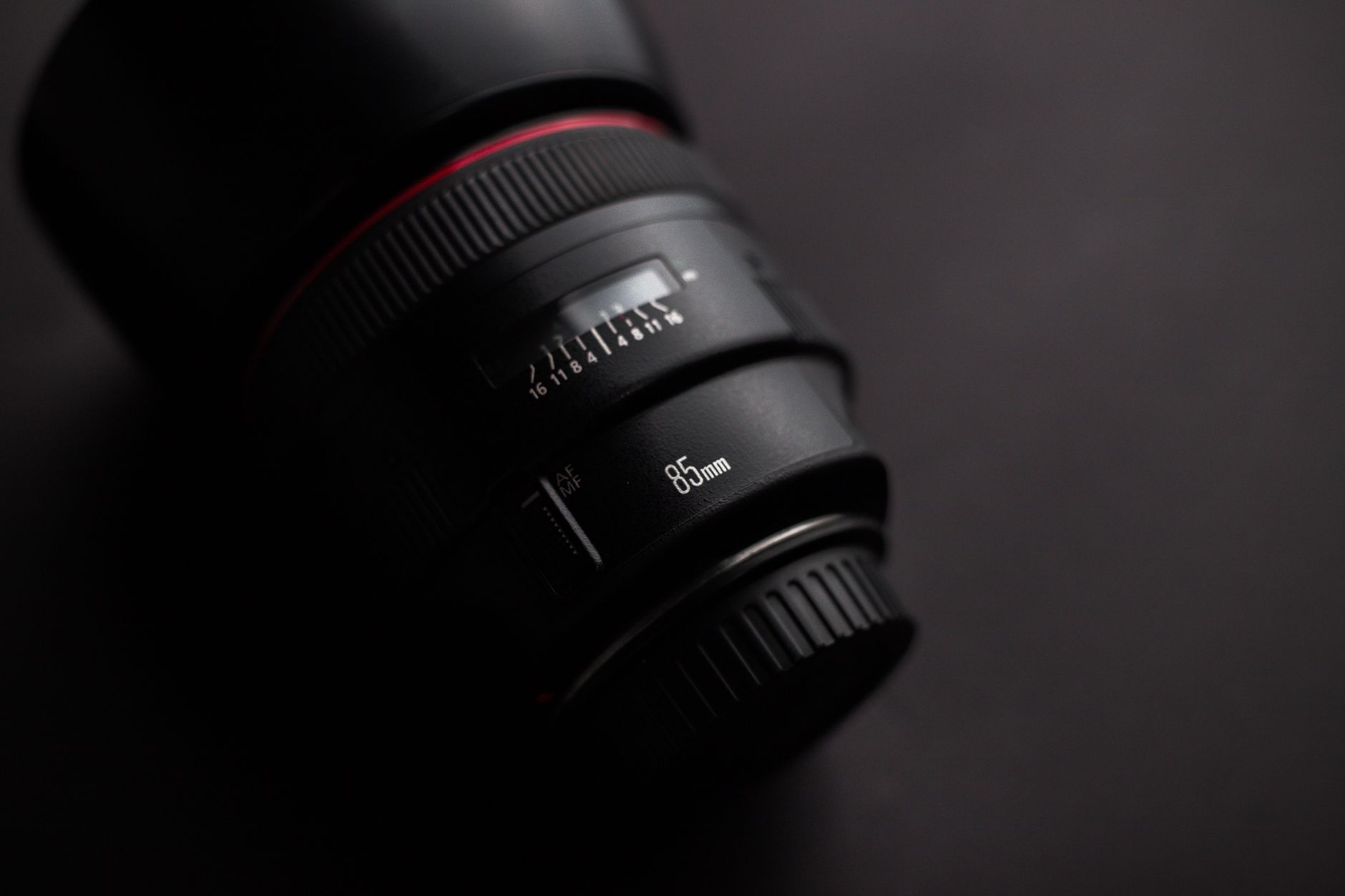
Let’s start with the crowd favorite. The 85mm focal length has dominated portrait photography for decades, and 2026 hasn’t changed that. What has changed is our understanding of why it works.
The math is simple: at 85mm on a full-frame body, you get approximately 28 degrees of angle-of-view with a compression ratio that flatters noses, minimizes forehead distortion, and creates natural background separation at f/1.8 or wider. But here’s the 2026 reality check: this only works if you have working distance.
In a cramped Airbnb studio, a cluttered bedroom, or a Tokyo alleyway? That 85mm becomes a liability. You’re backing into walls, shouting directions across the room, and losing the intimate connection that makes portraits breathe.
Current picks that nail the 85mm sweet spot:
- Sony FE 85mm f/1.4 GM II ($1,400 street): The II version fixed the original’s sluggish autofocus; now tracks eye AF at 30fps on the A1 II
- Canon RF 85mm f/1.2 L USM DS ($2,800): The “Defocus Smoothing” coating isn’t marketing fluff—it’s the closest optical approximation to vintage cinema glass bokeh
- Viltrox AF 85mm f/1.8 II ($399): The budget disruptor that 2026 YouTube reviewers can’t stop stress-testing; 94% center sharpness wide open
The 85mm rule: If your typical shooting distance is 8-15 feet from subject, this is your lens. Full stop.
The 135mm Resurgence: Why Portrait Pros Are Going Longer in 2026
Something shifted in early 2026. Nikon released the Z 135mm f/1.8 S Plena, and suddenly every portrait photographer on Instagram seemed to discover compression for the first time. But the 135mm trend isn’t about gear lust—it’s about visual psychology.
At 135mm, facial features flatten slightly (in a flattering way), backgrounds compress into creamy abstractions even at f/2.8, and your subject occupies a more commanding percentage of the frame. The result? Portraits that feel intentionally cinematic rather than accidentally documentary.
The trade-off is real: minimum focusing distance stretches to roughly 2.8-3.5 feet, and handshake becomes a genuine concern without in-body stabilization. But for outdoor portraits, fashion editorial, and that specific “subject-isolated-from-reality” look that’s dominating 2026 editorial trends, 135mm is unmatched.
The sleeper hit: Sigma’s 135mm f/1.8 DG DN Art for Sony E/L-mount, now $1,099 after two years of price erosion. It’s optically identical to the DSLR version that cost $1,400 in 2022, minus the adapter headache.
When 50mm Beats Both: The Environmental Portrait Revolution
Here’s where we depart from every other “best lens for portrait photography 2026” list you’ll read. The 50mm focal length—often dismissed as “too wide” for proper portraits—is experiencing a documentary renaissance driven by two forces: the anti-AI authenticity movement (tip #31 in that PetaPixel guide) and the explosion of creator-led brand photography.
Environmental portraits demand context. A founder in their workshop, a chef in their kitchen, a musician in their cramped practice space. At 50mm, you get:
- Manageable distortion if you keep the subject’s face near frame center
- Enough background to tell location stories
- Working distances that feel conversational, not clinical
The 2026 wildcard: TTArtisan’s 50mm f/1.4 AF ($369) for Sony E and Nikon Z. Manual-focus purists scoff, but its 10-blade aperture produces sunstars that modern autofocus lenses (with their 7-9 blade designs) simply can’t replicate. For portrait work where you’re nailing focus on a static or slowly-moving subject? The savings buy you two lighting stands and a modifier.
The Forgotten Variable: Minimum Focus Distance and Why It Ruins Portraits
Every “best lens” guide obsesses over maximum aperture and bokeh quality. Almost none discuss minimum focus distance (MFD)—and it’s destroying portraits in 2026.
Here’s the scenario: you’ve got an 85mm f/1.4. Gorgeous lens. But its MFD is 2.8 feet. Your client wants a tight headshot with shoulders. At 2.8 feet, your 85mm frames too wide. You could crop in post, but now you’ve thrown away 40% of your resolution and the bokeh character changes. Or you could switch to a longer lens, but you don’t own one.
The MFD check before buying:
- For tight headshots (face fills 60%+ of frame): MFD under 2.5 feet, or 100mm+ focal length
- For half-body environmental portraits: MFD under 3.5 feet at 85mm, or 50-58mm focal length
- For full-body fashion with background context: MFD is irrelevant; prioritize focal length and aperture
Sony’s FE 85mm f/1.8 ($599) wins here with an MFD of just 2.62 feet—closer than the f/1.4 GM. Sometimes the “lesser” lens is the smarter tool.
Building Your 2026 Portrait Lens Decision Matrix
Stop reading reviews. Start answering these five questions in order:
- What’s my typical working distance? Under 6 feet = 50mm. 6-12 feet = 85mm. 12+ feet = 135mm.
- What’s my background doing? Busy/distinctive = longer focal length + wider aperture. Clean/simple = focal length matters less.
- How much of my subject? Headshot only = 85mm minimum. Half-body or more = 50mm becomes viable.
- Handheld or tripod? 135mm handheld without IBIS = 1/250s minimum; plan your light accordingly.
- What’s my actual budget after filters, cards, and a backup plan? A $400 lens you own beats a $2,000 lens you rented once.
The Honest Truth About “The Best Lens for Portrait Photography 2026”
There isn’t one. There never was. The best lens for portrait photography 2026 is the one that matches your subject distance, your subject’s comfort, your background’s behavior, and your budget’s reality—probably in that order.
The 85mm f/1.8 variants from every major manufacturer are the safest default in 2026 because they balance all variables competently. But “competent” isn’t “best” for your specific work. The photographer shooting CEO portraits in corner offices needs different glass than the photographer documenting skate culture in drained pools.
PetaPixel’s 40 tips weren’t wrong. They were incomplete. Tip #23 should have been tips #23-27, one for each focal length family and the decision logic that connects them. Consider this your expansion pack.
Your next move: Rent before you commit. Lensrentals and similar services now stock 2026 releases within weeks of launch. Spend $60 to discover that 135mm feels alien in your hands, or that 50mm’s distortion actually flatters your specific style. The rental fee is cheaper than selling a mispurchased lens at 70% depreciation.
The portrait photography renaissance of 2026 isn’t being driven by sharper glass or wider apertures. It’s being driven by intentional tool selection—photographers who know why their focal length flatters, not just that it does. Join them.