
The Best Lens for Newborn Photography in 2026: A Complete Guide
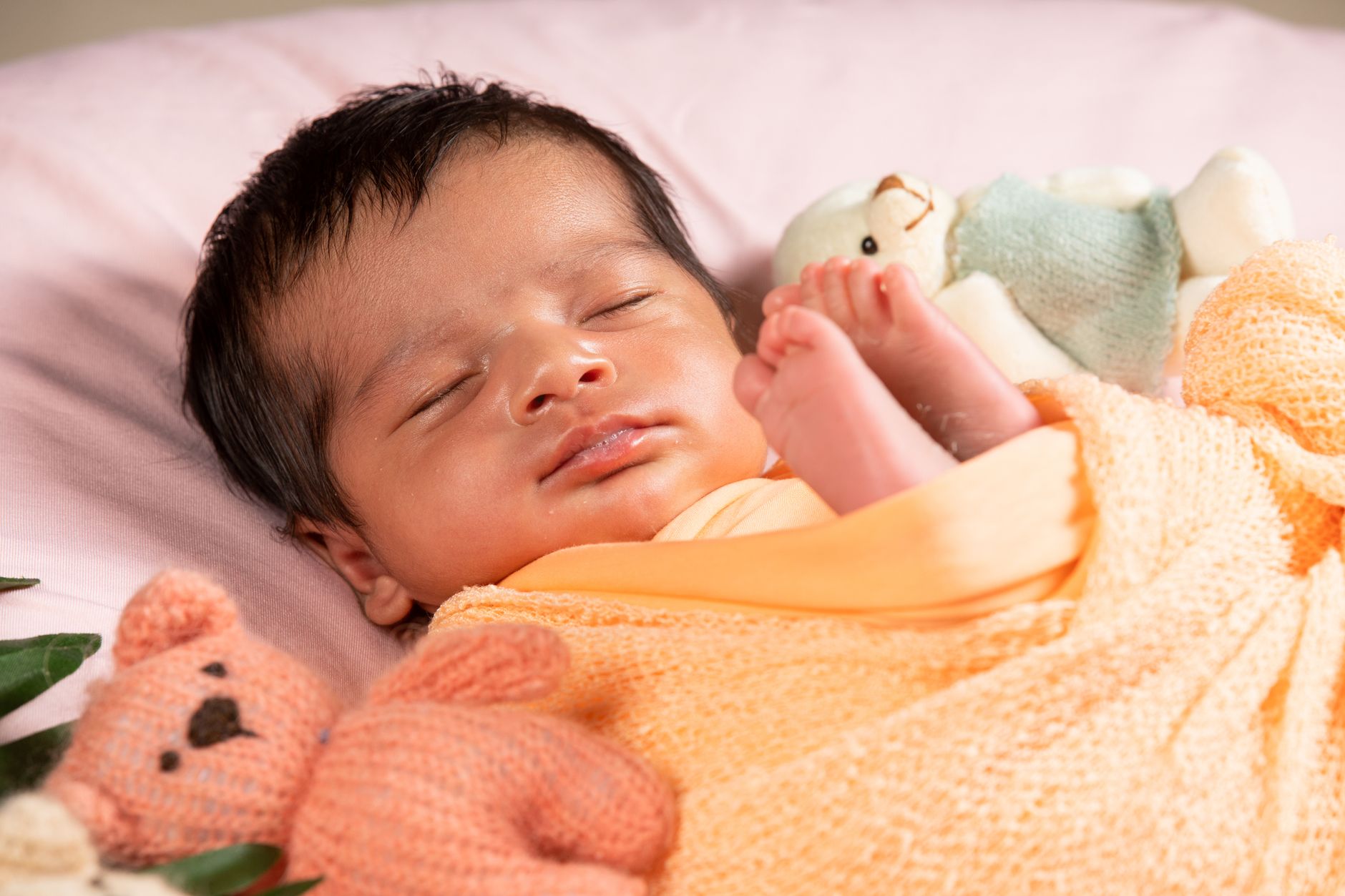
The newborn photography industry is experiencing a renaissance in 2026, with more parents than ever investing in professional newborn sessions during those fleeting first two weeks. As lifestyle newborn sessions surge in popularity and studios shift toward natural-light, in-home shoots, choosing the best lens for newborn photography has never been more critical. The right lens doesn’t just capture sharp images—it helps you work quietly, maintain a safe distance, and create that creamy, dreamy aesthetic parents adore.
Whether you’re building your newborn photography kit from scratch or upgrading your current setup, this guide will walk you through the exact lenses professionals rely on, the focal lengths that work best in tight nursery spaces, and the aperture sweet spots for those soft, blurry backgrounds.
Why Lens Choice Matters More for Newborns Than Any Other Genre
Newborn photography presents unique challenges that make lens selection absolutely crucial. Unlike other portrait work, you’re photographing subjects who can’t take direction, need controlled environments, and require you to work quickly during narrow windows of contentment.
Space constraints are your first consideration. Most newborn sessions happen in nurseries, master bedrooms, or small studio setups where you might have only 6-8 feet of working distance. A lens that’s too long forces you to back into walls; too wide and you’ll distort tiny features or invade the baby’s comfort zone.
Aperture performance becomes critical when shooting wide open. Newborns photograph best with shallow depth of field that isolates them from busy backgrounds, but you need lenses that remain sharp at f/1.4 or f/1.8—not all glass performs equally when shot wide open.
Silent operation can make or break a session. Many 2026 mirrorless lenses feature near-silent autofocus motors, essential when photographing sleeping babies who startle at the slightest sound. The last thing you want is a loud focus motor waking a finally-settled newborn.
The 50mm f/1.4: The Newborn Photography Workhorse
Ask ten professional newborn photographers about their go-to lens, and eight will mention a 50mm prime. This focal length has earned its reputation as the best lens for newborn photography for good reason.
The 50mm focal length provides a natural perspective that closely mimics human vision, preventing the distortion that wider lenses create when shooting close-ups. At typical newborn shooting distances of 3-5 feet, a 50mm gives you full-body shots, three-quarter poses, and detail shots without constantly swapping lenses.
Top 2026 recommendations:
- Sony FE 50mm f/1.4 GM – Exceptional sharpness wide open, whisper-quiet autofocus
- Canon RF 50mm f/1.2L USM – Dreamy bokeh, though heavier at 2.1 pounds
- Nikon Z 50mm f/1.2 S – Stunning color rendition and edge-to-edge sharpness
- Sigma 50mm f/1.4 DG DN Art – Budget-friendly option at under $850
The f/1.4 aperture (or f/1.2 on premium models) serves two purposes: it creates that signature soft background blur, and it gathers enough light for natural window-lit sessions without pushing ISO into noisy territory. You’ll typically shoot between f/1.8 and f/2.8 for newborns—wide enough for beautiful bokeh, stopped down just enough to keep both eyes sharp.
The 35mm Advantage for Lifestyle Newborn Sessions
As in-home lifestyle newborn photography continues dominating 2026 booking trends, the 35mm focal length has become increasingly essential. While 50mm excels for posed studio work, 35mm shines when documenting families in their actual spaces.
The wider field of view lets you capture environmental context—the nursery parents spent months preparing, siblings peeking at their new baby, the master bedroom where family cuddles happen. You can work in tighter quarters without sacrificing composition, crucial when shooting in typical 10x12-foot nurseries.
Why pros are adding 35mm to their kits:
- Captures storytelling wide shots without leaving the room
- Allows closer working distance for detail shots (tiny toes, fingers, lips)
- More forgiving with focus when shooting moving toddlers alongside newborns
- Better for overhead shots when parents hold baby
The Sigma 35mm f/1.4 DG DN Art and Sony FE 35mm f/1.4 GM lead the pack in 2026, offering exceptional sharpness and minimal distortion. Shoot at f/2 to f/2.8 for environmental portraits that keep both baby and context sharp, or open to f/1.4 for close-up details with dreamy blur.
Macro Lenses for Those Tiny Details Parents Treasure
While not your primary newborn lens, a dedicated macro deserves consideration for capturing the intricate details that define this fleeting stage—peeling skin, tiny fingernails, wispy hair, delicate eyelashes.
The 90mm or 105mm macro range provides ideal working distance, letting you fill the frame with a newborn’s hand without getting so close you cast shadows or disturb their sleep. These longer focal lengths also create stunning compression and background blur.
Practical macro applications:
- Detail shots of baby wrapped and posed
- Close-ups of tiny features parents want to remember
- Creative compositions highlighting scale (baby’s hand in parent’s)
- Ring shots if you’re photographing fresh 48 hospital sessions
The Sony FE 90mm f/2.8 Macro G OSS and Canon RF 100mm f/2.8L Macro IS USM represent the current gold standard, offering 1:1 magnification and image stabilization crucial for handheld macro work. Budget-conscious photographers should consider the Tamron 90mm f/2.8 Di III Macro, delivering 90% of the performance at half the price.
The 85mm Alternative for Studio Newborn Photographers
If you primarily shoot posed newborn sessions in a dedicated studio space, the 85mm focal length offers distinct advantages over the standard 50mm recommendation.
Increased compression at 85mm creates even more flattering perspective and background separation. The longer focal length compresses features slightly, producing that coveted creamy look. You’ll work from 6-8 feet away, giving parents and assistants more room to adjust props and soothe baby without entering your frame.
The tradeoff? You need adequate studio space. In typical home nurseries or small studios under 150 square feet, an 85mm becomes limiting. But for dedicated newborn studios with proper shooting space, lenses like the Sony FE 85mm f/1.4 GM II or Nikon Z 85mm f/1.2 S deliver unmatched image quality.
Best use cases for 85mm:
- Posed prop shots with controlled studio lighting
- Parent and baby portraits with beautiful background blur
- Sibling shots where you can back up for full compositions
- Detail shots from a comfortable, non-invasive distance
Building Your Newborn Photography Lens Kit
You don’t need every lens mentioned here to start photographing newborns professionally. Most successful newborn photographers build their kit strategically over time.
Starter kit (budget-conscious): Begin with a 50mm f/1.8 (under $250 for most systems). It handles 80% of newborn situations beautifully. Add a 35mm f/1.8 when you book your first in-home lifestyle session.
Professional kit: Invest in a 50mm f/1.4 as your primary lens, add a 35mm f/1.4 for lifestyle work, and consider a 90mm macro for detail shots that command premium pricing.
Luxury kit: Pair an 85mm f/1.2 with a 35mm f/1.4 for ultimate image quality across all session types, with a dedicated macro for those portfolio-building detail shots.
Conclusion: Choosing Your Best Lens for Newborn Photography
The best lens for newborn photography ultimately depends on your shooting style, typical session locations, and budget. For most photographers starting out or shooting primarily in-home sessions, a quality 50mm f/1.4 provides the perfect balance of versatility, image quality, and value. As you book more lifestyle sessions, add a 35mm to your kit. Studio photographers working with controlled lighting and ample space should seriously consider the 85mm focal length.
Remember that technique matters more than gear. Learn to work with natural window light, master manual focus for critical sharpness on eyes, and develop a gentle, patient approach that keeps newborns calm. The right lens simply helps you execute your creative vision more effectively—but it’s your skill and artistry that create images families treasure for generations.
Start with one excellent prime lens, master it completely, then expand your kit as your newborn photography business grows. Those tiny features won’t stay tiny for long, but the images you create with the right lens will preserve them beautifully forever.