
The Best Lens for Newborn Photography in 2026: 5 Safe, Sharp Picks
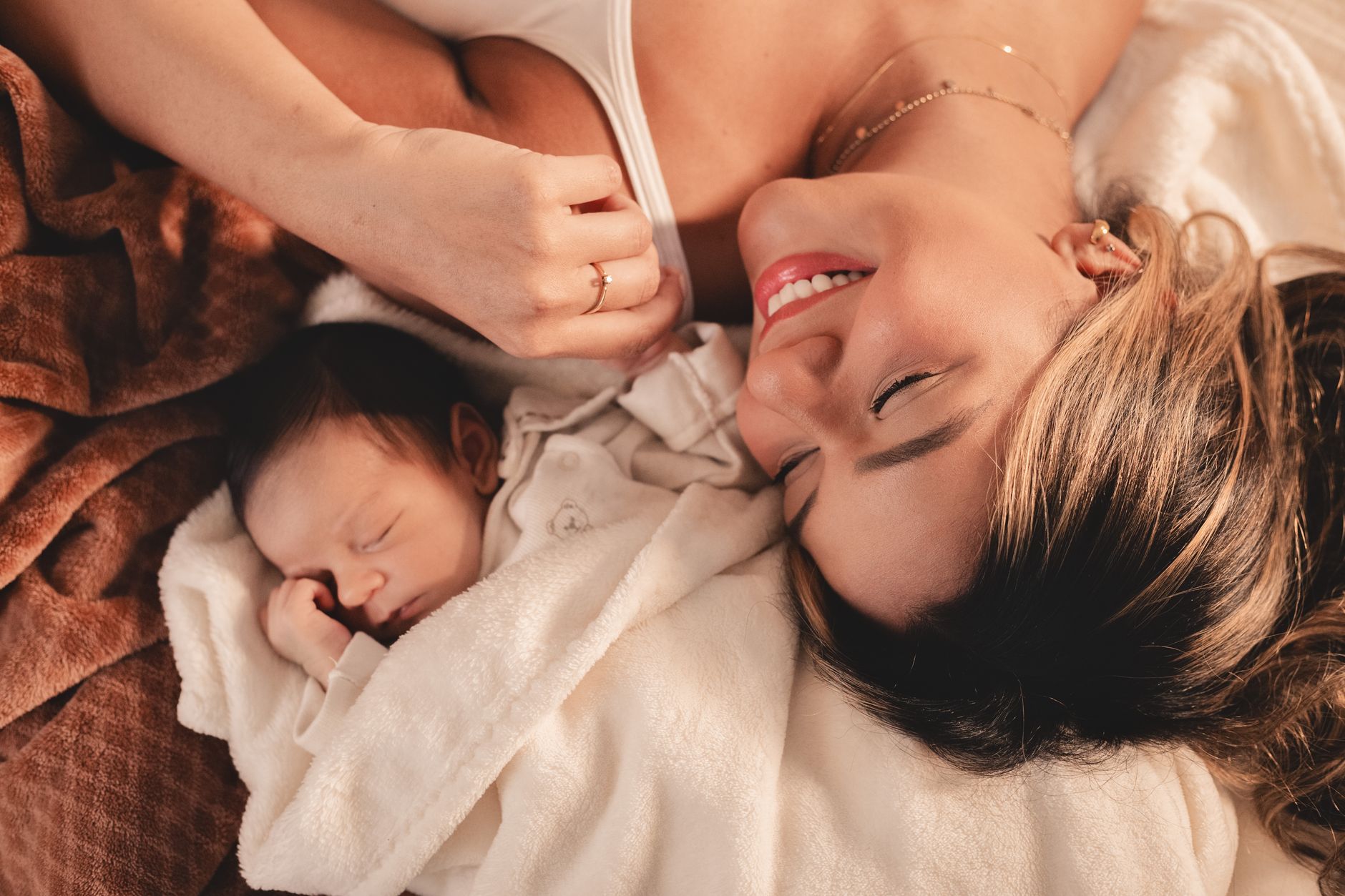
Newborn photography is having a serious moment in 2026. With the “authentic photography” movement pushing back against AI-generated baby images, more parents are hiring real photographers to capture those fleeting first two weeks — and session bookings are up across the board. If you’re stepping into this niche (or leveling up your kit), choosing the best lens for newborn photography is the single most important gear decision you’ll make. The wrong lens forces you too close to a sleeping baby, distorts tiny features, or hunts for focus in dim nursery light. The right one disappears in your hands and lets you work quietly, safely, and beautifully.
This guide breaks down exactly what to look for, five lenses that deliver in real-world newborn sessions, and the shooting tips that separate okay baby photos from frame-worthy ones.
What Makes a Great Newborn Photography Lens?
Before we get to specific picks, let’s define the criteria — because newborn work has unique demands you won’t find in other portrait genres.
Working distance matters for safety. You should never hover directly over a newborn with your camera. A lens in the 50mm to 100mm range lets you stand back 3-6 feet while still filling the frame. This keeps you out of the baby’s breathing space and gives parents room to spot poses.
Wide apertures are essential. Newborn sessions happen indoors, often in nurseries with soft window light. You need f/1.8 or wider to keep shutter speeds above 1/200s (critical for those tiny hand twitches) without cranking ISO past 1600.
Quiet autofocus is non-negotiable. A loud focus motor can startle a sleeping baby and ruin a carefully arranged pose. Modern STM and linear motors are nearly silent — older DSLR-era lenses are not.
Sharpness at wide apertures. You’ll shoot wide open constantly. A lens that’s only sharp at f/5.6 is useless here. Look for strong center sharpness at f/1.8-f/2.8, where you’ll live during sessions.
The 5 Best Lenses for Newborn Photography Right Now
1. The 50mm f/1.8 — Best Budget Pick
Every major mount has one: Canon RF 50mm f/1.8 STM, Nikon Z 50mm f/1.8 S, Sony FE 50mm f/1.8. These cost $200-$500 and deliver 90% of what you need.
The 50mm focal length on a full-frame body gives you a natural perspective that doesn’t distort facial features. At f/1.8, you get creamy background blur that melts cluttered nurseries into soft color. The Canon RF version weighs just 160g — you’ll forget it’s on your camera during 3-hour sessions.
Pro tip: On crop-sensor bodies (APS-C), a 50mm acts like a 75-80mm, which is actually ideal for tight detail shots of tiny fingers and toes.
2. The 85mm f/1.8 — The Sweet Spot
If you can only buy one lens for newborn work, make it an 85mm. The Nikon Z 85mm f/1.8 S ($800) and Sony FE 85mm f/1.8 ($600) are standouts that cost half what the f/1.4 versions do while delivering nearly identical results at the apertures you’ll actually use.
The 85mm gives you 4-5 feet of working distance for full-body basket shots, and the compression renders baby features beautifully — no big-nose distortion you get from shooting close with a 35mm. Autofocus on both is whisper-quiet and locks onto eyelashes even at f/1.8.
3. The 100mm Macro — Best for Detail Shots
Newborn photography isn’t just portraits — it’s the flaky skin on day-old feet, the swirl of hair at the crown, lips mid-yawn. A macro lens like the Canon RF 100mm f/2.8L Macro ($1,400) or the budget-friendly Sigma 105mm f/2.8 DG DN Macro ($800) captures 1:1 life-size detail that makes parents gasp.
The Canon’s SA control ring even lets you adjust bokeh character on the fly — softer for dreamy skin, harder for crisp eyelash detail. Use it for the first 30 minutes of every session while the baby is in that deep, curly sleep.
4. The 35mm f/1.4 — Best for Lifestyle Sessions
Not every newborn session happens on a beanbag. Lifestyle newborn photography — shot in the family’s home, crib, and master bed — is one of 2026’s biggest trends. Here, a 35mm f/1.4 like the Sigma 35mm f/1.4 DG DN Art (~$900) shines.
It captures the environment: the handmade quilt, the nursery mobile, the family dog peeking into frame. Just remember the golden rule — never shoot a baby’s face close-up at 35mm. Keep it 4+ feet away for full-scene shots, and switch to 85mm for anything tighter.
5. The 24-70mm f/2.8 — Best All-in-One
If you’re a hybrid shooter doing maternity, newborn, and family sessions back-to-back, a 24-70mm f/2.8 covers every scenario without lens swaps (which wake babies). The Tamron 28-75mm f/2.8 Di III VXD G2 (~$900) delivers 90% of the $2,300 Sony GM II’s performance at a third of the price.
Yes, f/2.8 is a stop slower than the primes above. But modern mirrorless bodies handle ISO 3200 cleanly, and the flexibility of zooming from wide nursery shots to tight portraits without moving your feet is worth the trade-off.
Settings and Safety Tips for Newborn Sessions
Owning the best lens for newborn photography is only half the equation. Here’s how working pros actually use them:
Camera settings baseline:
- Aperture: f/2.0-f/2.8 for full-body, f/1.8 for details
- Shutter: 1/250s minimum (babies startle and twitch)
- ISO: Auto, capped at 3200
- Focus mode: Eye-detect AF, single point for macro work
Safety rules that protect your business:
- Keep your camera strap around your neck at all times — no exceptions
- Never shoot from directly above a baby on a prop; use a spotter
- Sanitize your hands and gear before every session
- Keep the room at 78-80°F so baby stays settled in minimal clothing
Lighting tip: Position your setup 45 degrees from a large window. Skip flash entirely for the first two weeks — natural light is softer, safer, and matches the airy editing style dominating 2026 newborn portfolios.
Which Lens Should You Buy First?
If you’re building a newborn kit from scratch, start with the 85mm f/1.8 for your mount. It’s the most versatile single lens for this genre, handles both posed and lifestyle work, and holds its resale value if you upgrade later.
Add a 50mm f/1.8 as your backup (it’s cheap enough to justify), then invest in a macro once you’re booking 4+ sessions a month and want to offer those detail galleries that command premium pricing.
Conclusion
The best lens for newborn photography in 2026 isn’t the most expensive one — it’s the one that lets you work safely at a respectful distance, focus silently in dim light, and render tiny features with the softness this genre demands. Whether you start with a $200 nifty fifty or invest in a dedicated macro, prioritize wide apertures, quiet autofocus, and focal lengths between 50mm and 100mm.
Your next step: pick the lens that fits your budget and mount, practice on a doll or stuffed animal to nail your working distances, and build a portfolio that shows parents you understand both the technical and tender sides of newborn work. Those first two weeks pass in a blur — make sure your gear is ready to freeze them beautifully.