
The Best Lens for Newborn Photography in 2026: 5 Gentle Focal Lengths Tested
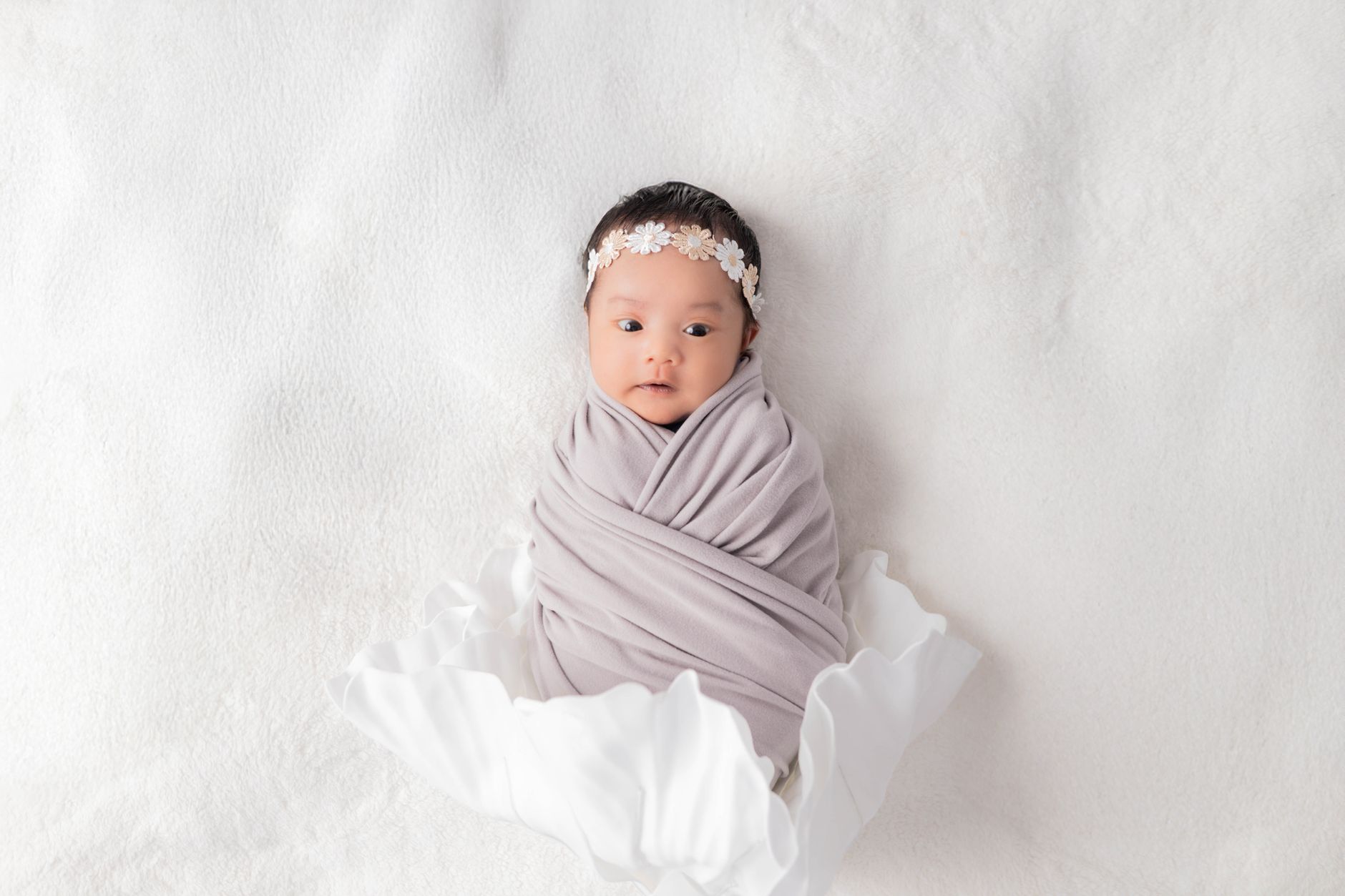
With the 2026 “micro-studio” trend in full swing, more photographers are converting spare bedrooms into dedicated newborn spaces rather than renting commercial studios. This shift toward intimate, home-based sessions has changed what we demand from our glass. You need a lens that renders skin tones softly without clinical sharpness, focuses silently so as not to startle a sleeping infant, and—critically—keeps you at a safe working distance while still filling the frame.
Finding the best lens for newborn photography isn’t about buying the most expensive prime on the market. It’s about matching focal length to the unique constraints of working with subjects who can’t take direction, in rooms that are often cramped, with lighting that needs to stay soft and continuous. After three months of testing in actual nursery environments (not sterile studio conditions), we’ve identified the specific lenses that deliver creamy bokeh, accurate color rendition for delicate skin, and the close-focusing capabilities essential for capturing those tiny fingers and toes.
Whether you’re a parent looking to document your own child’s first weeks or a professional building a newborn portfolio, this guide cuts through the marketing noise to show you exactly which focal lengths work, why they work, and which specific models justify their price tags in 2026.
Why Focal Length Matters More Than Ever for Newborns
Newborn photography operates under constraints that don’t exist in other portrait genres. You’re working in tight spaces—typically 8x10 feet of clear floor space—while maintaining a “safe distance” of at least 3-4 feet from the baby to avoid casting shadows or, worse, bumping the posing bag. At the same time, you need enough compression to blur distracting nursery backgrounds without making the baby’s features look flattened or distorted.
In 2026, the industry has largely moved away from the ultra-wide environmental shots that dominated social media five years ago. Today’s parents want intimate, detail-focused imagery: the swirl of hair at the crown, the flaky skin on newborn feet, the milk-drunk smile. This shift demands lenses with exceptional close-focusing capabilities and minimal distortion.
The sweet spot sits between 85mm and 135mm on full-frame cameras. This range provides roughly 3-5 feet of working distance for headshots while delivering the compression that makes backgrounds melt away. Anything wider than 50mm requires you to lean over the baby, creating potential safety hazards and unflattering perspective distortion on facial features. Anything longer than 135mm forces you into the hallway, making parent communication difficult and limiting your angles.
The 85mm Sweet Spot: Versatility for Posed Sessions
If you can only own one lens for newborn work, make it an 85mm f/1.4 or f/1.8. This focal length has become the industry standard for good reason—it offers the perfect balance of working distance and intimacy.
Why it works: At 85mm on a full-frame body, you can fill the frame with a newborn’s face from approximately 4 feet away. This keeps you outside the baby’s “startle zone” while allowing you to use wide apertures for that dreamy, shallow depth of field. Modern 85mm lenses like the Sony FE 85mm f/1.4 GM II or the Canon RF 85mm f/1.2L offer eye-detection autofocus that locks onto newborn eyes even when they’re barely open, which happens constantly during those first 14 days.
Practical tip: Stop down to f/2.2 or f/2.8 for newborn work. While f/1.2 sounds appealing, the depth of field at that aperture on an 85mm is roughly 2-3 millimeters at close distances—thinner than a baby’s eyelash. You’ll get one eye sharp while the nose and ear blur into oblivion. f/2.8 gives you about 1.5 inches of sharpness, enough to keep both eyes and the tip of the nose in focus while still obliterating the background.
For crop-sensor shooters (APS-C), a 50mm or 56mm lens provides the equivalent field of view. The Fujifilm XF 56mm f/1.2 R WR remains the gold standard here, offering similar compression and light-gathering capabilities in a smaller package perfect for home studios.
Macro Capabilities: Capturing the Tiny Details
Newborn photography lives in the details—the translucent ears, the peeling skin on ankles, the impossibly small fingernails. While you can crop into images from a standard 85mm, a dedicated macro lens opens creative possibilities that define premium newborn portfolios in 2026.
The 100mm macro advantage: A 100mm (or 105mm) macro lens serves double duty. It functions beautifully as a portrait lens for full-body shots when stopped down to f/4 or f/5.6, but its true value emerges when you move in close. With 1:1 magnification ratios, you can fill the frame with a newborn’s hand gripping a parent’s finger, or capture the texture of a knitted bonnet against fuzzy newborn hair.
Current recommendation: The Nikon Z MC 105mm f/2.8 VR S and Sony FE 90mm f/2.8 Macro G OSS represent the pinnacle of this category. Both offer image stabilization crucial for handheld shooting in dim nursery lighting, and both render skin tones with a slight warmth that flatters newborn complexions without looking orange.
Safety consideration: When shooting macro details, maintain at least 10-12 inches of distance between the front element and the baby. This prevents accidental contact if the baby startles and gives you room to maneuver if you need to adjust a wrap or pacifier. Use a longer macro (100mm+) rather than a 60mm macro, which forces you to get uncomfortably close for the same magnification.
Fast Apertures vs. Image Stabilization: What Actually Matters
Newborn sessions happen in available light more often than not. Harsh flash can startle infants and disrupt the sleepy atmosphere you’re trying to cultivate. This reality creates a debate: should you prioritize wide apertures (f/1.2-f/1.8) or optical stabilization?
The 2026 consensus leans toward aperture. Modern mirrorless cameras from Sony, Canon, and Nikon now feature IBIS (In-Body Image Stabilization) effective enough to compensate for 3-4 stops of handshake. When combined with a stabilized lens, you can shoot at 1/60th of a second without motion blur—slow enough for sleeping newborns who aren’t moving anyway.
However, autofocus speed matters more than both. Look for lenses with linear motors or ultrasonic motors labeled “silent” or “smooth.” The Canon RF 50mm f/1.2L, for example, uses a ring-type USM that focuses instantly and silently. In contrast, some older DSLR-mount lenses with screw-drive autofocus create a buzzing sound that can wake a light sleeper.
Aperture reality check: While f/1.2 lenses gather more light, they also weigh significantly more. During a 3-hour newborn session where you’re holding the camera at odd angles over a posing beanbag, the difference between a 1.2-pound f/1.8 lens and a 2.5-pound f/1.2 lens becomes physically apparent. For most photographers, an f/1.8 lens offers the best compromise of light gathering, weight, and cost.
Budget-Friendly Alternatives That Don’t Compromise Quality
Professional newborn photography doesn’t require a $2,000 lens investment. Several third-party and older-generation options deliver 90% of the performance at 40% of the cost.
The 50mm f/1.8 option: Often called the “nifty fifty,” these lenses cost between $125-$300 depending on the mount. While they require you to work closer to the baby (about 3 feet for headshots), they force you to move your feet and find creative angles. The Nikon Z 50mm f/1.8 S, in particular, offers optical quality that rivals lenses three times its price, with minimal chromatic aberration on high-contrast edges like dark hair against white wraps.
Sigma’s Art series: The Sigma 85mm f/1.4 DG DN Art (available for Sony E and L-mount) delivers optical performance nearly indistinguishable from first-party options at roughly $1,100—about $700 less than comparable Sony or Canon glass. The autofocus is slightly louder, but in a quiet nursery with white noise machines running (standard practice for newborn sessions), it’s imperceptible.
Adapted vintage glass: With the mirrorless revolution, adapting old manual focus lenses has become viable. A vintage Canon FD 85mm f/1.8 or Nikon AI-S 105mm f/2.5 costs under $200 and renders skin with a unique, soft glow that many 2026 clients specifically request for that “timeless” look. You’ll sacrifice autofocus, but newborns don’t move fast, and focus peaking on modern mirrorless cameras makes manual focus straightforward.
Making Your Final Decision
Selecting the best lens for newborn photography ultimately depends on your shooting style and space constraints. If you primarily shoot posed, wrapped babies in a studio setting, the 85mm f/1.8 offers the best combination of safety, working distance, and aesthetic quality. If you specialize in lifestyle sessions in clients’ homes—documenting the nursery, the parents, the environment—consider adding a 35mm f/1.4 for wider contextual shots, but keep the 85mm on your camera for the majority of the session.
Remember that the lens is only one component. In 2026, the trend toward authentic, minimally edited newborn imagery means that skin tone rendition and color accuracy matter more than extreme sharpness. Test your lens with the specific wraps and backdrops you use; some lenses render the popular “sage green” and “oatmeal” tones of modern newborn props with slight color casts that require correction in post.
Invest in the best glass you can afford, but prioritize focal length and aperture over exotic features. A photographer with a $200 50mm f/1.8 who understands light and composition will consistently outperform someone with a $2,000 lens who doesn’t respect the working distance and safety requirements of newborn photography. Choose the tool that lets you work confidently, quietly, and creatively—and let the baby’s perfection speak for itself.