
The Best Lens for Newborn Photography Beginners: 5 Gentle Picks for 2026
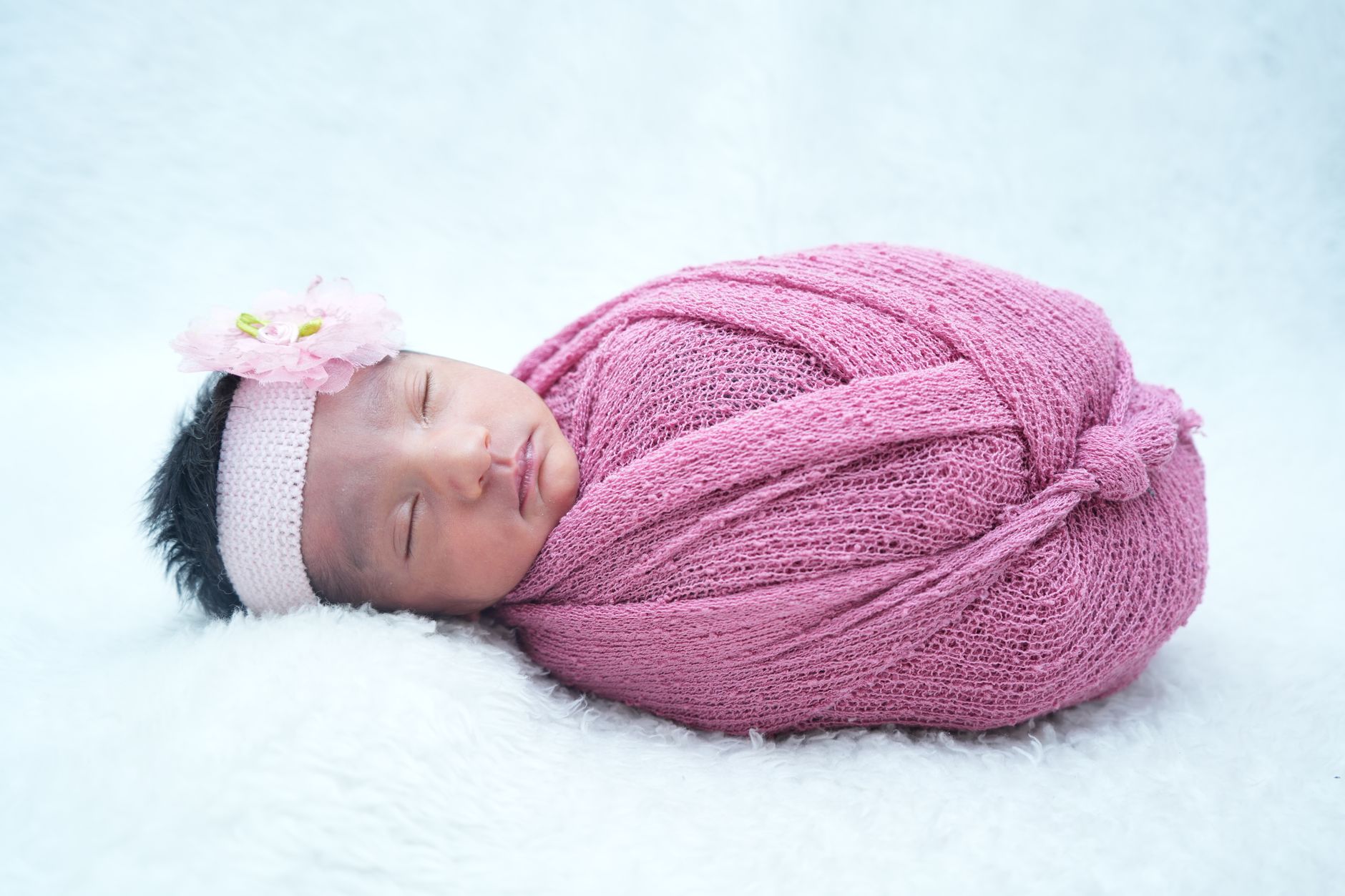
The “fresh 48” trend is exploding across social feeds this fall, with parents skipping stiff studio poses in favor of raw, in-home documentary sessions within the first two days of life. If you are just starting out, finding the best lens for newborn photography beginners is not about buying the most expensive glass; it is about choosing a tool that lets you work quietly, maintain a safe distance, and render skin tones with that creamy softness parents adore. In 2026, the market has shifted toward lighter mirrorless options and third-party lenses that deliver professional results without the professional price tag.
This guide cuts through the noise. We are focusing on focal lengths that respect the baby’s space, apertures that handle dim nursery light, and autofocus systems silent enough not to startle a sleeping infant.
Why Newborn Photography Demands Specific Glass
Newborns are not toddlers. They cannot hold poses, they startle at loud clicks, and their skin requires flattering compression rather than distortion. The best lens for newborn photography beginners typically falls between 35mm and 85mm on a full-frame camera.
A 50mm lens forces you to move around, which can disrupt a carefully arranged blanket setup. An 85mm allows you to step back, giving the baby breathing room while you capture tiny fingers and eyelashes. Wide apertures (f/1.8 or wider) are non-negotiable because you will often shoot near windows without flash. In 2026, we are also seeing a rise in “silent shutter” modes, but your lens choice determines how much light you can gather in the first place.
Safety is the other factor. You never want to hover directly over a baby with a heavy lens that strains your arms. Lightweight builds under 500 grams are ideal for those 3-hour sessions where you are constantly adjusting your angle.
Top 5 Lenses for Newborn Photography Beginners in 2026
Here are the specific models that balance budget, performance, and the unique demands of infant photography.
1. The Classic Nifty Fifty: Canon RF 50mm f/1.8 STM
- Why it works: At under $200, this is the entry point for most beginners. On a crop-sensor camera, it behaves like an 80mm, giving you that tight, intimate compression.
- 2026 update: Canon’s latest STM motors are nearly silent, crucial for not waking a sleeping newborn.
- Best for: Tight nursery spaces where you cannot back up further.
2. The Detail King: Sony FE 85mm f/1.8
- Why it works: This focal length is the gold standard for newborn portraiture. It flattens features slightly, making tiny noses and lips look perfectly proportioned.
- Real-world tip: Pair this with Sony’s Real-Time Eye AF. Even if the baby is swaddled and only one eye is visible, the camera locks on instantly.
- Weight: 371 grams, so you can hold it overhead for top-down shots without fatigue.
3. The Macro Hybrid: Nikon Z MC 50mm f/2.8
- Why it works: Sometimes the best lens for newborn photography beginners is one that captures the details parents forget: the flaky skin, the milk spots, the hospital bracelet. This lens doubles as a macro.
- Versatility: You can shoot a full portrait, then move inches away for a 1:1 macro of the baby’s toes without changing lenses.
- Lighting note: The f/2.8 aperture is sufficient if you position the baby within 2 feet of a north-facing window.
4. The Storyteller: Fujifilm XF 35mm f/1.4 R
- Why it works: For the “fresh 48” lifestyle sessions happening in hospital rooms right now, you need a wider field of view. This lens captures the environment—the exhausted parents, the hospital bassinet, the first sibling meeting.
- Character: It renders skin tones with a film-like warmth that reduces post-processing time.
- Caution: You must get close to the baby for portraits. Maintain a 3-foot minimum to avoid distortion.
5. The Budget Zoom: Tamron 35-150mm f/2-2.8 Di III VXD
- Why it works: If you can only afford one lens, this covers every newborn scenario. Shoot wide at 35mm for the nursery setup, then zoom to 85mm or 135mm for tight portraits without moving the baby.
- 2026 relevance: Tamron’s VXD linear motors are faster than previous generations, catching fleeting expressions.
- Trade-off: It is heavier (1,165 grams), so use a camera strap to avoid accidents.
Essential Settings for Sharp Newborn Shots
Owning the best lens for newborn photography beginners means nothing if your settings are wrong. Newborns move unpredictably—startle reflexes, yawns, and stretches happen in milliseconds.
- Aperture: Stay between f/1.8 and f/2.8. Anything wider (f/1.2) risks having one eye in focus and the other soft. Anything smaller (f/4) requires too much light or high ISO.
- Shutter Speed: Minimum 1/200s. Babies twitch. Even when sleeping, their breathing can blur a 1/60s shot.
- ISO: Do not fear ISO 1600 or 3200. Modern mirrorless cameras handle this cleanly. A slightly grainy sharp photo beats a blurry clean one.
- Focus Mode: Use single-point AF. Place the point on the eye closest to the camera. If the baby is sleeping, focus on the eyelashes or the seam of the swaddle.
Lighting and Safety Tips for Beginners
Your lens is only as good as the light you feed it. In 2026, the trend is “shadowed softness”—using window light with a sheer curtain to diffuse harsh rays.
Positioning: Place the baby at a 45-degree angle to the window. This creates gentle shadows that define the face without requiring a flash. If you must use artificial light, bounce a continuous LED off the ceiling. Never point a speedlight directly at a newborn.
The Spotter Rule: Always have a parent or assistant within arm’s reach of the baby, especially when you are shooting from above with a 50mm or 35mm lens. Your camera strap should be around your neck, not dangling. A dropped lens is a tragedy; a dropped camera is a catastrophe.
Temperature: Babies are happiest at 80°F (27°C). If you are shooting nude or diaper-only shots, use a space heater. A warm baby sleeps deeper, allowing you to use slower shutter speeds if necessary.
Conclusion
Choosing the best lens for newborn photography beginners ultimately depends on your shooting style. If you crave those tight, artistic close-ups, the Sony 85mm f/1.8 or Canon RF 50mm f/1.8 will serve you for years. If you prefer documentary storytelling, the Fujifilm 35mm f/1.4 captures the emotion of the entire room.
Start with one lens. Master its focal length until you can predict exactly how the background will blur. In 2026, the gear is more accessible than ever, but the principles remain the same: prioritize safety, chase soft light, and focus on the details that disappear within weeks. The newborn phase lasts roughly 14 days. Your lens choice ensures you do not miss a single one.