
The Best Lens for Newborn Photography: 2026 Guide for Safe, Stunning Portraits
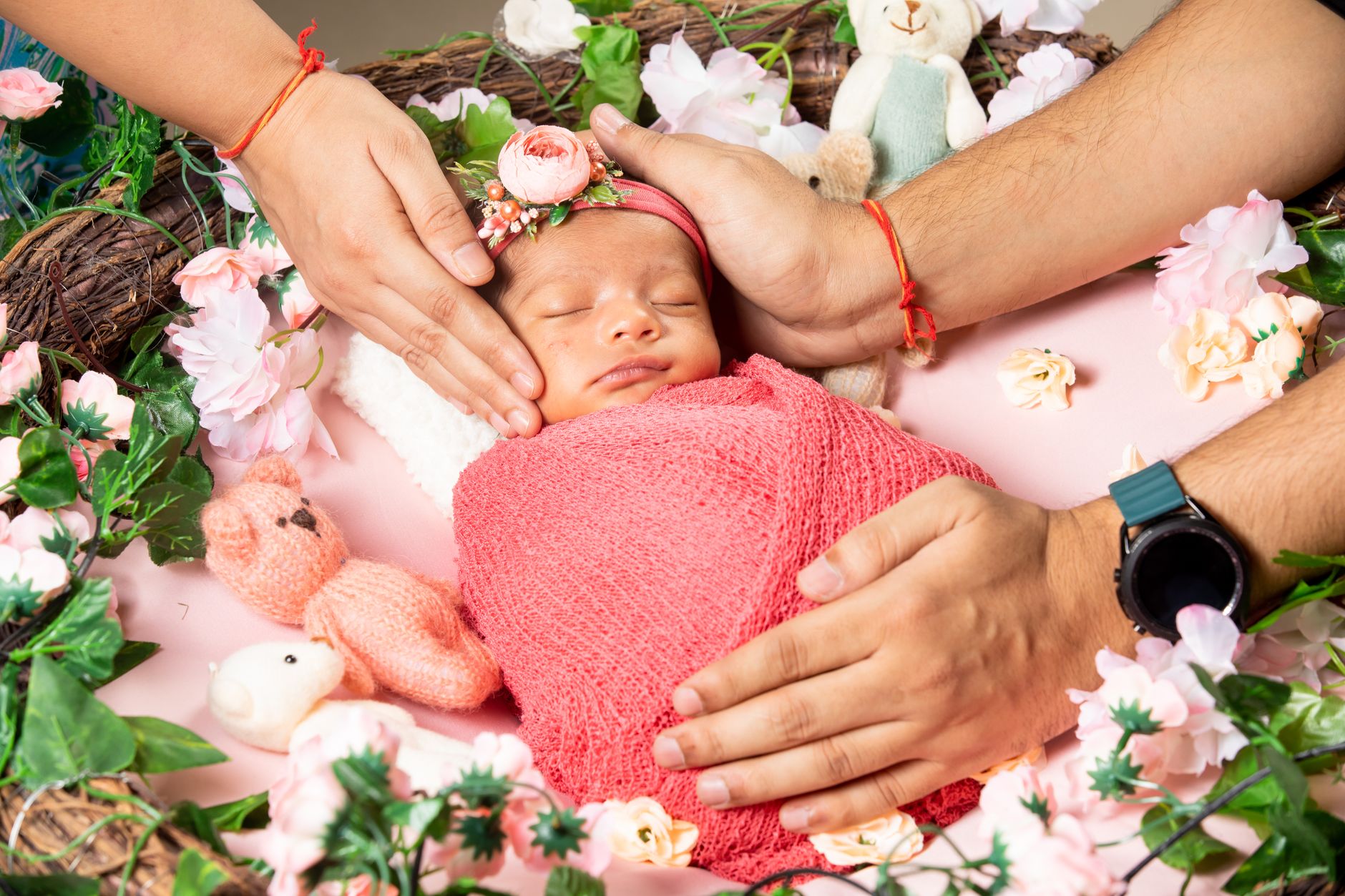
The “AI-authenticity” movement dominating photography feeds in late 2026 has parents craving something algorithms can’t replicate: the fleeting, unscripted vulnerability of a newborn’s first fortnight. As synthetic imagery floods social media, professional newborn portfolios are trending toward raw, organic capture—making your choice of glass more critical than ever. Finding the best lens for newborn photography isn’t just about sharpness; it’s about selecting a tool that lets you work quickly, maintain a safe physical distance from a fragile subject, and render skin tones with the creamy softness that defines this genre.
Whether you’re building your first dedicated kit or upgrading from a versatile zoom, the right lens transforms a stressful session into a seamless dance of light and proximity. Here’s how to navigate the 2026 lens market and choose glass that honors both your artistic vision and the practical realities of working with brand-new humans.
Why Your Kit Lens Is Holding You Back
That 18-55mm f/3.5-5.6 bundled with your camera body served you well for landscapes and casual snapshots, but newborn photography exposes its limitations immediately. In the dim, window-lit environments where babies sleep best, variable apertures force your ISO into noisy territory (ISO 3200+) or shutter speeds that risk motion blur when tiny fingers twitch.
More importantly, kit lenses lack the compression and bokeh quality needed to isolate a newborn from cluttered nursery backgrounds. The “best lens for newborn photography” typically offers a maximum aperture of f/2.8 or wider—not merely for low light, but for the shallow depth of field that turns a wrinkled hospital blanket into a soft wash of color. When shooting at f/5.6 (the long end of most kit zooms), you lose that dreamy separation, forcing you to physically move farther away and crop heavily in post, sacrificing resolution.
The Sweet Spot: Why 50mm and 85mm Primes Dominate
If you ask ten veteran newborn photographers to empty their bags, nine will reveal a 50mm f/1.2 or f/1.4, and eight will carry an 85mm. These focal lengths represent the golden mean for nursery work.
The 50mm Advantage A 50mm prime on a full-frame body (or 35mm on APS-C) offers a natural field of view that mimics human vision. In 2026, manufacturers like Canon, Nikon, and Sony have refined their 50mm offerings with faster, quieter autofocus motors—essential when you’re working inches from a sleeping infant’s ear. The Canon RF 50mm f/1.2L and Sony FE 50mm f/1.2 GM both feature improved close-focusing capabilities (under 40cm) compared to their DSLR ancestors, letting you capture macro-like eyelash details without switching glass.
The 85mm Compression When you need tighter headshots or want to blur out a busy background completely, the 85mm focal length provides flattering compression that doesn’t distort delicate facial features. The working distance—typically 3-4 feet for a head-and-shoulders frame—respects the “safe zone” recommended by newborn safety educators, keeping you far enough away that you won’t accidentally bump the baby if they startle.
Practical Tip: Shoot at f/2.0 to f/2.8 rather than wide open at f/1.2. A newborn’s eye-to-nose distance is roughly 2-3 inches; at f/1.2, your depth of field becomes so shallow that the eyes may be sharp while the nose tip blurs. Stopping down slightly ensures critical focus across the face while maintaining that creamy background.
The Detail Hunter: 100mm Macro for Tiny Features
While not a primary lens for full-body poses, a 100mm macro (or 90mm for Sony/Tamron ecosystems) has become the secret weapon in 2026 newborn workflows. This specialized glass allows 1:1 reproduction ratios, capturing the translucent texture of newborn skin, the swirl of a cowlick, or the peeling fingers that parents want to remember.
The best lens for newborn photography detail work offers:
- Focus limiter switches to prevent hunting when shifting between macro and portrait distances
- Image stabilization (crucial when leaning over a beanbag without a tripod)
- Weather sealing—because nurseries involve milk, humidity, and unpredictable accidents
The Canon RF 100mm f/2.8L Macro IS USM currently leads the pack with its Hybrid IS system that compensates for angular and shift camera shake—vital when you’re handholding at odd angles above a posing pillow.
Zoom Versus Prime: The 24-70mm f/2.8 Debate
Purists argue for primes, but the modern 24-70mm f/2.8 has earned its place in newborn studios. The 2026 iterations—particularly the Sony FE 24-70mm f/2.8 GM II and Nikon Z 24-70mm f/2.8 S—offer near-prime sharpness with the flexibility to reframe without moving your feet (and potentially waking the baby).
Choose a zoom if:
- You shoot in tight hospital rooms or small home nurseries where backing up isn’t an option
- You prefer lifestyle sessions with parents interacting naturally (requiring quick focal adjustments)
- You want one lens to cover both newborn and sibling/family portraits
However, accept the trade-offs: f/2.8 requires higher ISO than f/1.4 in dim light, and the lens extends significantly when zooming, potentially casting shadows if you’re using window light from behind.
Safety and Technique: Working Distance Matters More Than You Think
The best lens for newborn photography prioritizes safety through physics. Longer focal lengths (85mm-135mm) force you to maintain 4-6 feet of distance for full-body shots, reducing the risk of dropping equipment or accidentally touching the baby. This buffer zone also keeps your camera’s autofocus assist lamp (if used) farther from sensitive newborn eyes.
2026 Safety Checklist:
- Spotter protocol: Always have a parent or assistant within arm’s reach when shooting from above with any lens.
- Silent shutter: Enable electronic shutter modes (available on all 2026 mirrorless flagships) to eliminate the “click” that startles infants.
- Strap discipline: Use a wrist strap rather than a neck strap when leaning over posing surfaces; a dangling neck strap can brush against a baby’s face.
- Lens hoods: Keep them attached. They protect front elements from curious toddler siblings and provide a tactile warning if you’re getting too close.
Making Your Final Decision
Selecting the best lens for newborn photography ultimately depends on your shooting style and typical environment. For most photographers building a dedicated kit in 2026, the ideal setup pairs a 50mm f/1.2 or f/1.4 for versatility with an 85mm or 100mm macro for detail work. If budget constrains you to one lens, the 50mm offers the most flexibility across poses, lighting conditions, and room sizes.
Invest in the best glass you can afford—lenses retain value and outlast camera bodies by generations. More importantly, they shape the visual legacy of a family’s first days together. In an era where AI can generate perfect but hollow baby portraits, your authentic captures, rendered through quality optics, become irreplaceable family heirlooms. Choose the lens that lets you work confidently, safely, and creatively, then focus on what really matters: the tiny human in front of you.