
The Best Camera for Real Estate Photography in 2026: What Actually Sells Houses
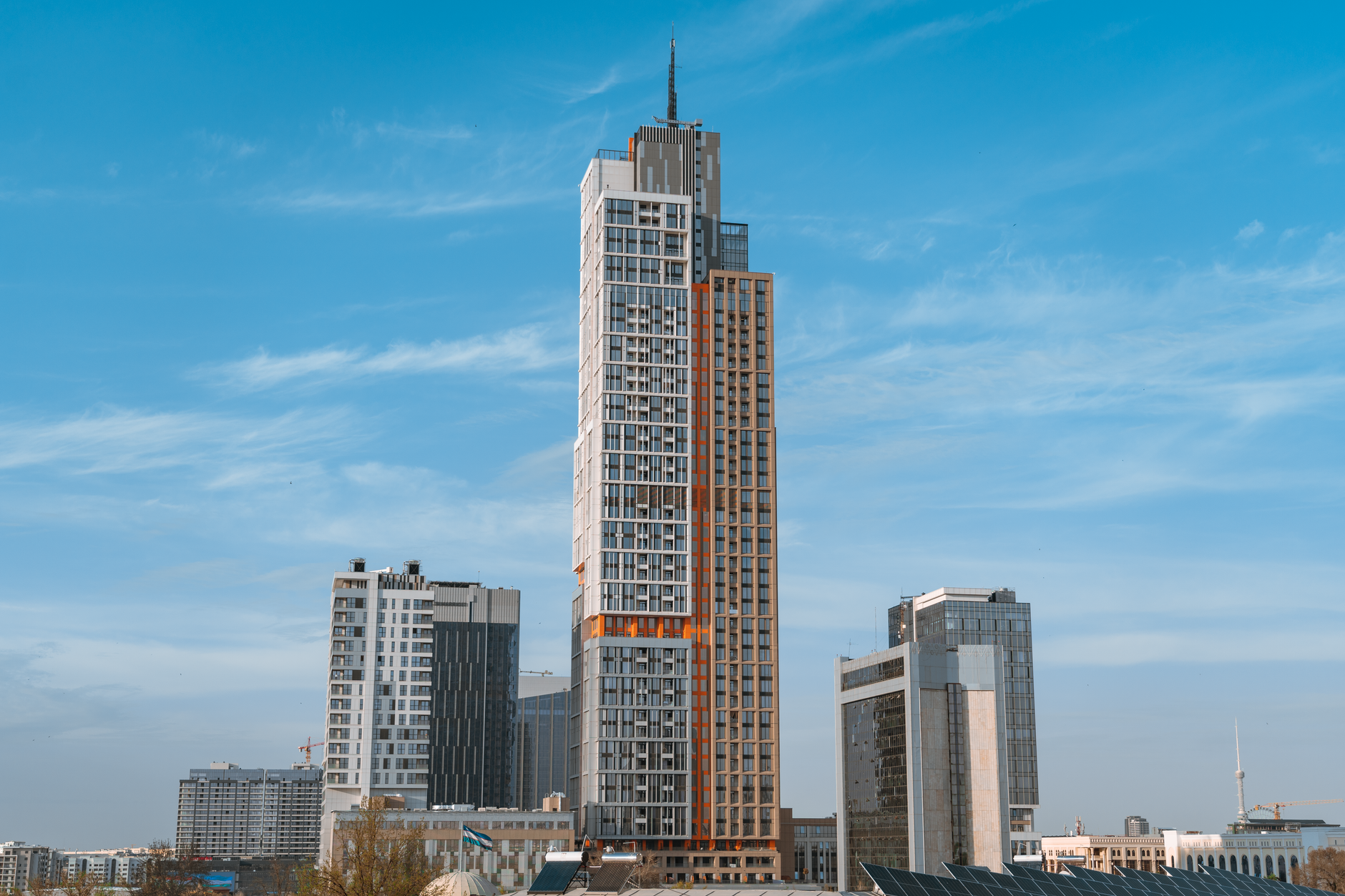
The housing market in late 2026 looks nothing like it did five years ago. With 3D virtual tours becoming standard and buyers scrolling listings on phones before ever booking a showing, the pressure on real estate photographers has never been higher. Agents now expect magazine-quality interiors delivered within 24 hours, and that means your camera choice matters more than ever.
If you’re searching for the best camera for real estate photography, you’ve probably noticed the advice online is either outdated or written for general photography. Shooting homes is a specific discipline. You need dynamic range for bright windows, clean high-ISO performance for dim basements, and a body that plays well with ultra-wide lenses without breaking your back after eight shoots in a day.
Let’s cut through the noise and look at what actually works in 2026.
Why Real Estate Photography Demands Specific Camera Features
Not every great camera is a great real estate camera. Here’s what separates the winners from the paperweights in this niche:
Dynamic range is king. You’re constantly balancing dark interiors against blazing windows. A camera that captures 14+ stops of dynamic range lets you recover window detail in post without heavy HDR bracketing on every shot.
Clean ISO 800-3200 performance. Even with a tripod, you’ll bump ISO in windowless hallways and basements. Modern full-frame sensors handle this beautifully. Older crop sensors start showing noise that clients will notice on large prints.
In-body image stabilization (IBIS). Yes, you should use a tripod for most shots. But IBIS saves you on quick walkthrough videos and handheld twilight exteriors.
Tilting or articulating screen. You’ll be shooting from floor level, above your head, and crammed into corners. A fixed screen will destroy your neck by shoot number three.
Reliable autofocus in low light. You don’t need blazing sports AF, but you do need a camera that locks focus in a dim bathroom without hunting for ten seconds.
Full-Frame vs Crop Sensor: The Honest Answer for Property Shoots
This debate rages in every photography forum, but for real estate work, the answer is clearer than most niches.
Full-frame wins for serious professionals. The wider field of view from the same lens, better dynamic range, and superior low-light performance directly translate to better listing photos. A 16mm lens on full-frame gives you that expansive look buyers expect. On a crop sensor, you’d need a 10mm lens to match it, and ultra-wide crop lenses often suffer from softer corners and more distortion.
Crop sensors work for beginners on a budget. If you’re shooting your first twenty listings to build a portfolio, a modern APS-C body like the Fujifilm X-T5 or Sony a6700 delivers excellent results. Just budget for a quality ultra-wide lens like the Fujifilm 8mm f/3.5 or Sigma 10-18mm f/2.8.
Micro Four Thirds is a niche choice. The Panasonic G9 II offers incredible stabilization and compact size, but the smaller sensor struggles more with dynamic range in high-contrast interiors. It’s workable, but you’ll bracket more shots.
The sweet spot for most working pros in 2026? A mid-range full-frame mirrorless body. You get 90% of flagship performance at half the price.
The Best Camera for Real Estate Photography: Top Picks for 2026
After testing bodies across price ranges, these stand out for property work specifically.
Sony a7 IV — Still the workhorse choice three years after release. The 33MP sensor gives you cropping flexibility for vertical shots, dynamic range handles window pulls beautifully, and Sony’s 16-35mm f/4 PZ is a compact gem for tight spaces. Battery life easily covers a full day of shooting.
Nikon Z6 III — The partially stacked sensor reads out fast enough to minimize rolling shutter on video walkthroughs. Nikon’s in-body stabilization is class-leading, and the Z 14-30mm f/4 S is arguably the best ultra-wide for real estate ever made. Corner sharpness is exceptional.
Canon EOS R6 Mark II — Canon’s color science produces pleasing skin tones if agents want lifestyle shots with people. The RF 15-35mm f/2.8L is heavy but optically stunning. Dual card slots give peace of mind on paid shoots.
Fujifilm GFX 100 II — Yes, medium format for real estate. If you’re shooting luxury listings above $2 million, the 100MP files let you print billboard-sized images and crop aggressively for detail shots. The GFX 20-35mm f/4 is sharp across the frame. This is overkill for most work, but a differentiator in high-end markets.
Budget pick: Sony a7 III — Still available new at steep discounts. The 24MP sensor remains excellent, and you can pair it with the Tamron 17-28mm f/2.8 for a complete kit under $2,000.
Lenses and Accessories That Matter More Than the Body
Here’s a secret working pros know: your lens choice impacts real estate photos more than your camera body.
Ultra-wide zoom is essential. A 16-35mm equivalent covers 90% of interior shots. Go wider than 16mm and you’ll battle distortion and stretched furniture at the edges. Go longer and you’ll back into walls.
A tilt-shift lens is the pro upgrade. The Canon TS-E 17mm or Nikon PC 19mm lets you correct converging verticals in-camera. This saves massive time in post and produces more natural-looking rooms. It’s a $2,000+ investment, but full-time shooters recoup it quickly.
Tripod with a geared head. The Manfrotto 410 Junior Geared Head lets you make micro-adjustments to level your camera precisely. Crooked verticals scream amateur to agents.
Flash or continuous lighting. Even with great dynamic range, a Godox AD200 or two bounced off ceilings lifts dark rooms naturally. HDR alone often looks flat and artificial.
Drone for exteriors. In 2026, listings without aerial shots sit longer. A DJI Air 3 or Mini 4 Pro fits in your bag and captures lot context that ground shots miss.
Camera Settings That Deliver Consistent Results
Dial these in before your next shoot:
- Shoot in RAW, always. You’ll need the flexibility for white balance and highlight recovery.
- Aperture: f/8 for maximum sharpness. This is the sweet spot for most ultra-wide lenses. Avoid f/16 unless you need extreme depth of field.
- ISO: Keep it at 100-400 on a tripod. Only raise it when absolutely necessary.
- Bracket exposures. Shoot 3-5 brackets at 2-stop intervals for high-contrast rooms. Blend in Lightroom or Aurora HDR.
- White balance: 4000-4500K for interiors. This neutralizes mixed lighting from windows and tungsten bulbs.
- Turn on the level gauge. Most mirrorless cameras have a built-in horizon level. Use it religiously.
Conclusion
The best camera for real estate photography in 2026 isn’t the most expensive flagship—it’s the one that balances dynamic range, lens selection, and workflow efficiency for your specific market. For most shooters, a full-frame mirrorless body like the Sony a7 IV or Nikon Z6 III paired with a quality 16-35mm lens covers every listing from starter condos to luxury estates.
Start with the body that fits your budget, invest heavily in glass and lighting, and master your bracketing workflow. The camera is just the tool. Your eye for composition and consistency is what books repeat clients.
Now go shoot some homes.