
The Best Camera for Hiking Photography in 2026: 5 Trail-Tested Picks
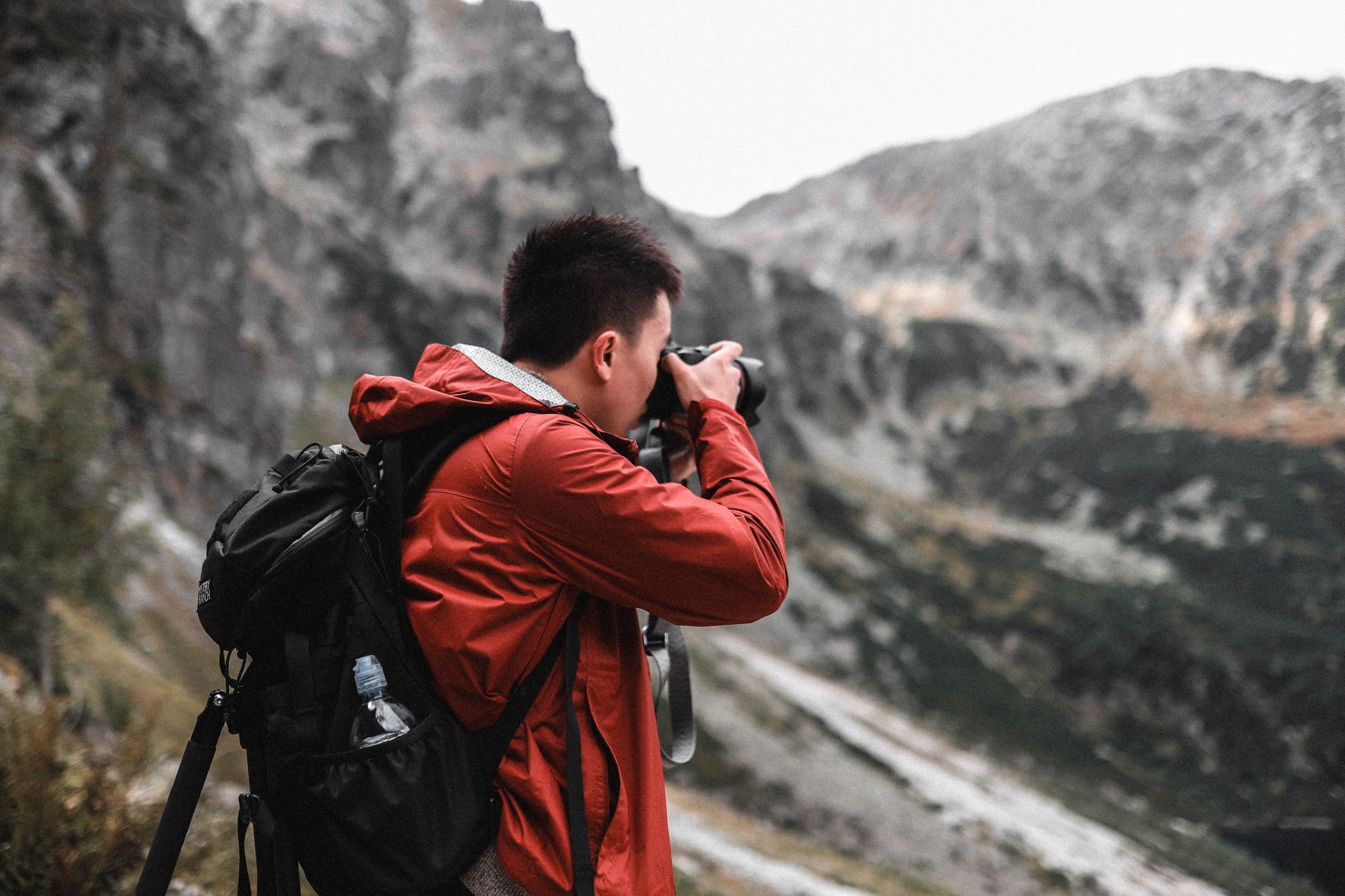
The outdoor industry just wrapped its biggest year yet—national park visitation hit record numbers this past summer, and camera manufacturers have responded with a wave of ultralight, weather-sealed bodies designed specifically for shooters who’d rather be on a ridge than in a studio. If you’ve been waiting to upgrade your trail kit, late 2026 is genuinely the best time in years to find the best camera for hiking photography.
But here’s the thing most buying guides get wrong: they recommend the same cameras for hikers as they do for wedding photographers. That’s a mistake. When you’re eight miles from the trailhead with a 40-pound pack, every ounce matters, battery anxiety is real, and a sudden downpour can end your shoot—or your camera. This guide cuts through the spec sheets to focus on what actually matters when your studio has no roof.
What Actually Makes a Great Hiking Camera?
Before we get to specific models, let’s establish the criteria that separate trail-worthy cameras from shelf queens. After testing gear on everything from Appalachian mud slogs to Colorado fourteeners, these are the non-negotiables:
Weight under 600 grams (body only). Your camera hangs from your shoulder or chest for hours. Every gram you save here is energy for the final push to the summit.
Weather sealing that actually works. Not “splash resistant”—real sealing against rain, dust, and the condensation that forms when you bring a cold camera into a warm tent.
Battery life exceeding 400 shots. Cold temperatures murder lithium-ion batteries. You need headroom, especially on multi-day trips where charging isn’t an option.
A lens ecosystem with compact primes. A great body with only massive zooms available defeats the purpose. Look for systems with quality pancake lenses or lightweight f/2.8 zooms.
In-body image stabilization (IBIS). Tripods are heavy. IBIS that delivers 5+ stops of compensation means you can leave the tripod at camp for sunrise shots.
The 5 Best Cameras for Hiking Photography in 2026
1. Fujifilm X-T5 — The Sweet Spot
At 557 grams with a battery, the X-T5 hits the weight ceiling while delivering a 40-megapixel sensor that produces files you can crop aggressively—crucial when you can’t get closer to that distant peak. Fuji’s film simulations mean you can skip heavy editing at camp, and the dedicated dials let you adjust settings with gloves on. Pair it with the 18-55mm f/2.8-4 (310g) or the tiny 27mm f/2.8 pancake (84g) for a complete kit under 900 grams.
The trade-off? Battery life sits around 580 shots, which drops to roughly 350 in freezing conditions. Carry one spare and you’re fine.
2. OM System OM-1 Mark II — The Weatherproof Tank
If your hiking involves Pacific Northwest drizzle or Patagonian wind, this is your camera. IP53-rated weather sealing is the best in the business—I’ve shot in sustained rain that killed lesser cameras. At 599 grams it’s slightly heavier, but the Micro Four Thirds system means your lenses weigh half what full-frame equivalents do. The 12-40mm f/2.8 PRO II weighs just 382 grams.
The 20-megapixel sensor is the compromise. It’s plenty for prints up to 16x20, but you lose cropping flexibility. Battery life is excellent at 520 shots, and the computational features (Live ND, handheld high-res mode) genuinely replace filters and tripods.
3. Sony A7C II — The Full-Frame Compromise
For photographers who refuse to give up full-frame image quality, the A7C II packs a 33-megapixel sensor into a 514-gram body. The catch? Sony’s compact lens selection lags behind Fuji and OM System. The 20-70mm f/4 G is excellent but weighs 488 grams, pushing your kit past a kilogram.
Where it shines: low-light performance for astrophotography at camp, and 10-bit video if you’re documenting your trips. Battery life is the best here at 540 shots, and USB-C charging means you can top off from a power bank during lunch.
4. Ricoh GR IIIx — The Ultralight Specialist
At 262 grams, this fixed-lens camera disappears into a jacket pocket. The 40mm equivalent lens forces you to see differently—you’ll move your feet instead of zooming—but the APS-C sensor delivers image quality that embarrasses cameras three times its size. It’s the camera you actually bring when the summit push requires both hands.
No weather sealing is the dealbreaker for some. A simple rain cover solves it, but you can’t shoot through a storm. Battery life is abysmal at 200 shots; carry two spares. For fast-and-light alpine starts, though, nothing else comes close.
5. Nikon Zf — The Analog Experience
This one’s personal. The Zf weighs 710 grams—over our limit—but the tactile dials and gorgeous design make you want to carry it. The 24-megapixel full-frame sensor with IBIS rated to 8 stops produces files with incredible dynamic range for high-contrast mountain scenes. Nikon’s Z-mount 26mm f/2.8 pancake (125g) keeps the kit reasonable.
It’s the choice for photographers who hike to shoot, not shoot while hiking. The difference matters.
Building Your Complete Hiking Kit
The camera is only part of the equation. Here’s what actually works on the trail:
Carry system: A chest harness beats a backpack strap for accessibility. Peak Design’s Capture Clip mounts to any shoulder strap and lets you grab your camera in under two seconds—critical when wildlife appears.
Power management: One 10,000mAh power bank charges most mirrorless cameras twice. Cold kills batteries, so sleep with your spares in your sleeping bag on winter trips.
Lens strategy: One versatile zoom beats three primes for most hikers. The 18-55mm or 12-40mm range covers 90% of trail photography. Add a fast prime only if you’re serious about astrophotography.
Protection: Skip the bulky camera bag. A padded insert in your existing pack plus a rain cover weighs less and protects better.
Final Thoughts: Match the Camera to Your Trails
The best camera for hiking photography isn’t the one with the most megapixels—it’s the one you’ll actually carry when the trail gets steep. For most hikers, the Fujifilm X-T5 offers the best balance of weight, image quality, and lens selection. If weather resistance is your priority, the OM-1 Mark II is unmatched. And if you’re counting every gram, the Ricoh GR IIIx will surprise you with what a pocket camera can do.
Whatever you choose, buy it before your next trip and shoot 500 frames around your neighborhood first. Muscle memory matters more than megapixels when the light is fading and your fingers are cold. Now get out there—the trails are waiting.