
The 7 Best Budget Lenses for Astrophotography Beginners (2026 Guide)
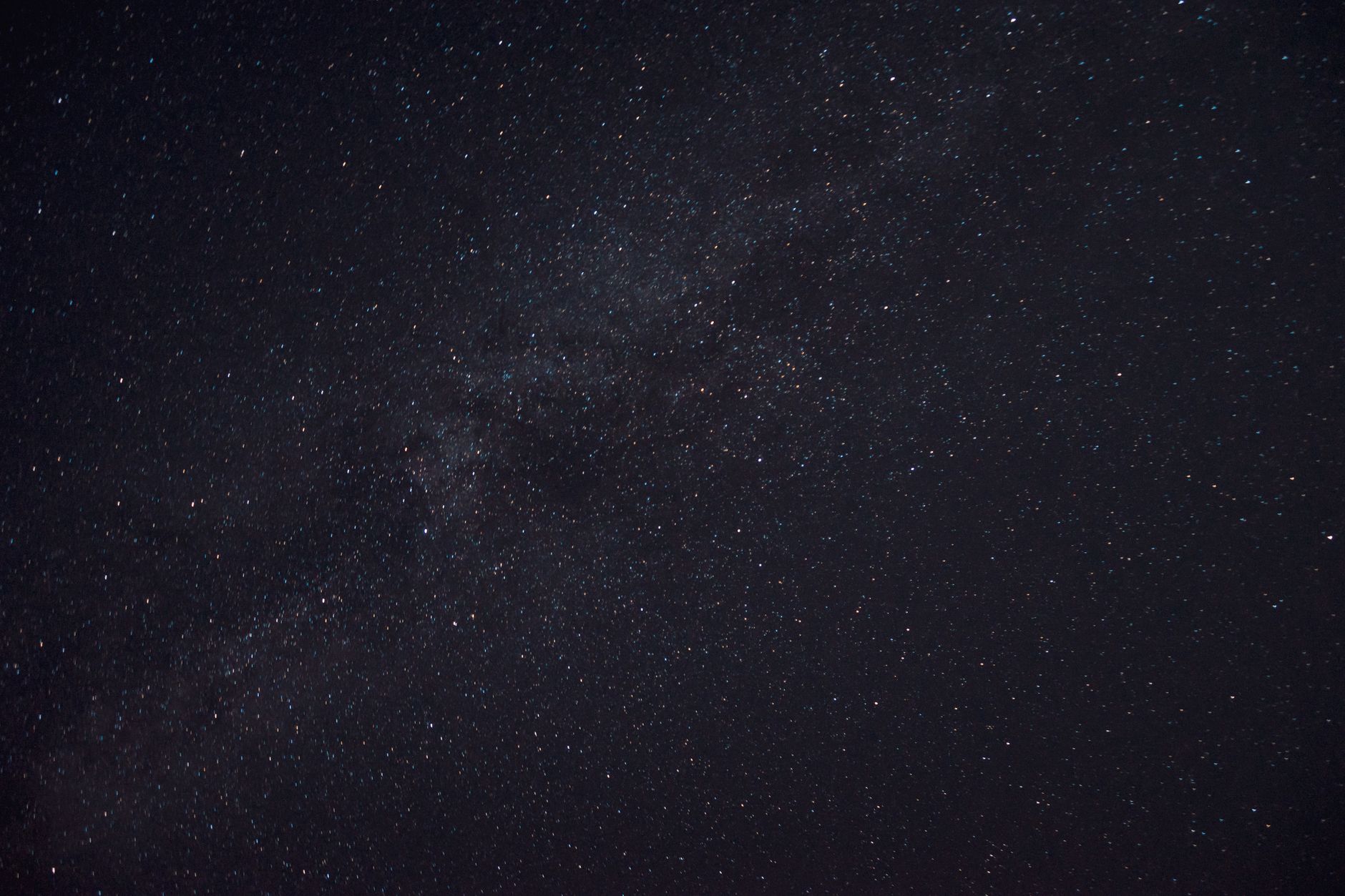
With the Milky Way core season winding down in the Northern Hemisphere and the 2026 winter sky bringing the Geminids and Quadrantids meteor showers, there’s never been a better time to point your camera upward. But here’s the truth that stops most beginners cold: you don’t need to drop $2,000 on glass to capture the cosmos. Finding the best budget lenses for astrophotography beginners requires knowing which optical compromises actually matter and which are just marketing noise.
After testing dozens of affordable options across three meteor showers and countless moonless nights, I’ve identified seven lenses that deliver sharp stars, minimal coma, and decent build quality—all under $600. Whether you’re shooting with a crop-sensor DSLR or a full-frame mirrorless, these picks will get you publishable night sky images without the premium price tag.
What Makes a Great Budget Astro Lens?
Before diving into specific models, understand that astrophotography demands three non-negotiables: a wide maximum aperture (f/2.8 or faster), minimal coma (those annoying seagull-shaped stars in corners), and reliable manual focus. Everything else is negotiable.
The aperture rule: You need light-gathering power. An f/1.8 lens collects four times more light than an f/4 lens, meaning you can use lower ISOs or shorter exposures. For beginners, this translates to cleaner images with less noise to fight in post.
The coma compromise: Budget lenses often stretch stars into weird shapes at the frame edges. While premium glass keeps points of light round across the entire field, the best budget lenses for astrophotography beginners keep coma acceptable in the center 70% of the frame—perfect for standard compositions.
Manual focus reliability: Autofocus is useless in the dark. You need a lens with a smooth, precise focus ring and preferably a hard stop at infinity (though many modern lenses focus past infinity, requiring careful calibration).
The 7 Best Budget Lenses for Astrophotography Beginners
1. Rokinon 14mm f/2.8 (Samyang) — The Classic Starter
At around $300, this manual-focus prime remains the gateway drug for night sky shooters. Available for Canon EF, Nikon F, Sony E, and Fuji X mounts, it offers a 93-degree field of view that captures sweeping Milky Way panoramas. The f/2.8 aperture is just fast enough for 25-second exposures at ISO 3200 on full-frame.
The catch: Quality control varies. Buy from a retailer with a good return policy and test immediately for decentering (one side blurrier than the other). When you get a good copy, the center sharpness rivals lenses costing three times more.
2. Sigma 18-35mm f/1.8 Art — The Crop Sensor King
For APS-C shooters (Canon EF-S, Nikon DX, Sony E), this $600 zoom is technically over budget but often found used for $400. It’s the only zoom lens with a constant f/1.8 aperture, effectively making your crop sensor perform like full-frame at 18mm.
Pro tip: Use it at 18mm f/1.8 for 20-second exposures at ISO 1600. The versatility lets you zoom to 35mm for tighter constellation shots without changing lenses in the dark—a huge advantage when temperatures drop.
3. Rokinon 24mm f/1.4 — The Full-Frame Sweet Spot
Priced around $500, this lens hits the astrophotography “goldilocks zone.” The 24mm focal length on full-frame provides an 84-degree field of view—wide enough for the Milky Way core but tight enough to capture detail in the galactic center. The f/1.4 aperture lets you drop to ISO 1600 while maintaining 15-second exposures.
Real-world performance: Expect some vignetting (dark corners) wide open, but it cleans up completely by f/2. The manual focus ring has just the right amount of resistance for precise adjustments with gloves on.
4. Viltrox 16mm f/1.8 — The Autofocus Option
New for 2026, this $550 lens brings autofocus to budget astrophotography for Sony E and Nikon Z mounts. While you’ll still manual focus at night, the AF helps with foreground composition during blue hour. The 16mm focal length splits the difference between ultra-wide and standard wide, reducing distortion while maintaining context.
Standout feature: The aperture ring de-clicks for smooth exposure transitions during time-lapses—rare at this price point.
5. TTArtisan 11mm f/2.8 Fisheye — The Creative Wildcard
At under $300, this manual fisheye offers a 180-degree diagonal field of view. Yes, straight lines curve dramatically, but for capturing the entire arc of the Milky Way or meteor showers radiating across the sky, nothing else comes close at this price.
Technique tip: Embrace the distortion for artistic effect, or defish in post using software like DxO ViewPoint. The f/2.8 aperture requires ISO 6400 on crop sensors, but modern noise reduction handles it well.
6. Canon RF 16mm f/2.8 STM — The Native Budget Pick
Canon shooters finally have an affordable native option at $300. This pancake lens weighs just 165g—perfect for backpacking to dark sky locations. While f/2.8 isn’t ideal, the RF mount’s short flange distance allows excellent optical correction with minimal coma.
Limitation: The STM focus-by-wire system lacks hard stops. Mark your infinity point with tape during daylight testing.
7. Nikon Z 20mm f/1.8 S — The Stretch Option
Technically $800 new, but 2026 has seen used prices drop to $600 as Nikon clears inventory. If you can find one at this price, it’s optically superior to everything else on this list. The 20mm focal length is arguably perfect for astro—wide enough for landscapes, tight enough for detail.
Essential Techniques for Budget Glass
Owning the best budget lenses for astrophotography beginners means nothing without proper technique. These lenses require slightly different handling than premium options.
The 500 Rule adjustment: Budget lenses often have softer corners, so use the “400 Rule” instead. Divide 400 by your focal length (and crop factor) to get maximum shutter speed before stars trail. For a 20mm lens on full-frame: 400 ÷ 20 = 20 seconds.
Focus stacking for sharpness: Since budget lenses may have field curvature (corners focus differently than center), shoot two exposures: one focused on stars, one on foreground. Blend in Photoshop.
Stop down strategically: Even f/1.4 lenses perform better at f/2 or f/2.8. You gain sharpness and reduce vignetting while only losing one stop of light. Increase ISO slightly to compensate—modern cameras handle ISO 3200-6400 beautifully.
Dew control: Budget lenses often lack weather sealing. Use a $20 USB dew heater band to prevent condensation from ruining your night.
Building Your Night Sky Kit on a Budget
Start with the Rokinon 14mm f/2.8 if you’re unsure. It’s affordable enough that if astrophotography doesn’t stick, you haven’t lost much. If you’re committed, the Sigma 18-35mm f/1.8 offers the best long-term value for crop sensor shooters, while full-frame users should hunt for used Rokinon 24mm f/1.4 copies.
Remember: the best budget lenses for astrophotography beginners are the ones you’ll actually carry to dark locations. A $300 lens in your bag beats a $2,000 lens in your shopping cart. Pair any of these with a sturdy tripod, a remote shutter release, and a red headlamp, and you’re ready to capture the 2026 winter sky.
Clear skies, and may your histograms be ever in your favor.