
Quiet Photography Habits Morning Routine: 6 Silent Rituals That Transform Your Images Before Breakfast
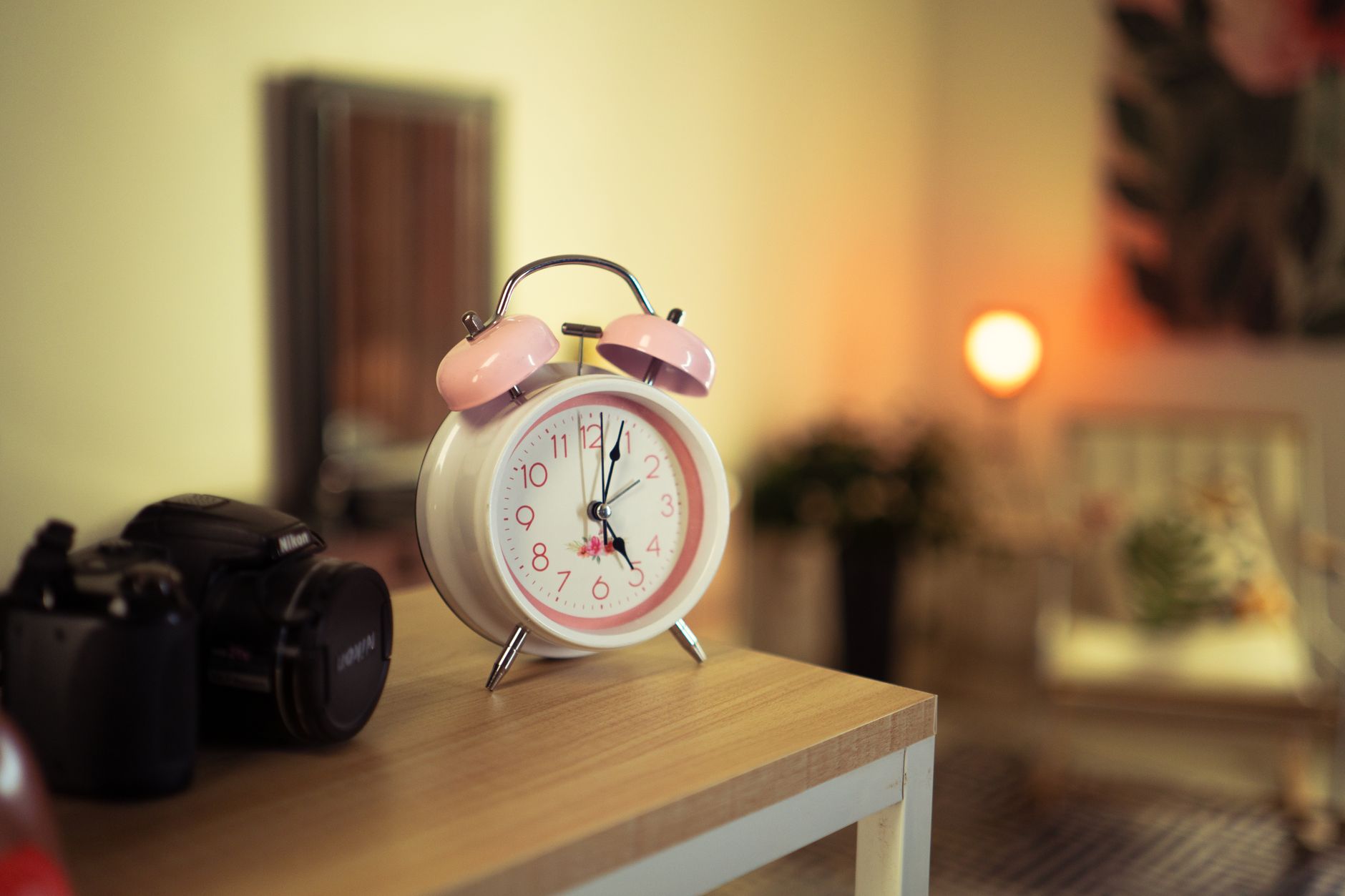
The photography world is whispering about something right now. Scroll through any photographer’s Instagram Stories this month and you’ll see it: 4:47 AM alarm screenshots, steam rising from mugs beside camera bags, golden-hour timelapses captured before the rest of the house stirs. Here’s some of my favourite photography tips to transform your own practice—start with the silence. The “quiet morning aesthetic” isn’t just a 2026 social media trend; it’s a genuine shift in how serious photographers are training their visual instincts without saying a word.
Building a quiet photography habits morning routine isn’t about becoming a monk with a camera. It’s about creating protected space where your eye develops faster because your mind isn’t competing with notifications, traffic, or the mental load of a full day. These six rituals take between 10 and 45 minutes. Mix them. Modify them. But commit to starting your day with intentional stillness, and you’ll notice your composition instincts sharpen within two weeks.
Why Silence Becomes Your Sharpest Lens
Your brain processes visual information differently when cortisol levels are low. Morning quiet—actual auditory quiet, not just “peace and quiet” marketing speak—reduces the cognitive filtering that happens when you’re overstimulated. A 2024 study from the University of Sussex found that 12 minutes of silent exposure improved pattern recognition by 23% compared to the same duration with ambient background sound.
For photographers, this matters enormously. The difference between a competent frame and a compelling one often comes down to noticing: the slight tension in a subject’s shoulders, the way shadow temperature shifts across a white wall, the negative space that completes a story. These micro-observations require bandwidth that noise consumes.
Start your quiet photography habits morning routine with one non-negotiable: no audio inputs for the first 20 minutes. No podcasts explaining composition rules. No music “for focus.” Just the actual sounds of your environment, which trains your brain to treat visual information as primary rather than competing input.
Ritual 1: The Five-Minute Blind Inventory (No Camera Required)
Before touching gear, sit where you intend to shoot or simply near a window. Close your eyes. Count five specific sounds you can isolate: the refrigerator’s compressor cycling, a distant train, your own breathing. Then open your eyes and inventory five colors without naming them—describe them by temperature and weight instead. “That blue is colder than the gray beside it. That yellow carries heat like late afternoon.”
This isn’t meditation cosplay. It’s sensory recalibration that directly improves your color assessment and pre-visualization skills. Most photographers grab their cameras immediately and start hunting. The blind inventory reverses that impulse. You’re training yourself to receive images rather than pursue them.
Do this for five consecutive mornings and you’ll start noticing light quality before you consciously look for it. That’s the neurological rewiring working.
Ritual 2: Single-Frame Walking Without Review
Here’s where your quiet photography habits morning routine builds technical discipline. Take one camera, one fixed focal length (your phone locked to 35mm equivalent works perfectly), and walk for 15 minutes. You get 12 shutter actuations total. No reviewing on screen. No deleting. No “just one more.”
The constraint forces decision-making before pressing the button. You must actually see the frame complete, not hope composition happens in editing. The no-review rule prevents the dopamine loop of immediate gratification that digital photography makes dangerously easy.
Upload these 12 frames only after completing your entire morning routine. The delay between capture and assessment builds critical distance. You’ll evaluate more honestly. You’ll notice your recurring compositional habits—good and bad—faster than through any workshop exercise.
Ritual 3: The Contact Sheet Meditation
Print or display yesterday’s images as a grid—actual contact sheet format, 20-30 thumbnails visible simultaneously. Spend 10 minutes with them without marking favorites or deleting rejects. Simply observe patterns: Are your horizons consistently high? Do you default to the same three angles? Is your color palette narrower than you assumed?
This practice, borrowed from film-era editing workflows, reveals your visual tics with uncomfortable clarity. The quiet morning setting matters because you’re not rushing toward “keepers.” You’re studying your own seeing, which is the only sustainable path to developing style rather than collecting techniques.
I do this with coffee cooling beside my laptop, no music, just the slight hum of the display. Within a month, I eliminated a persistent tilt-right tendency I’d developed from years of carrying heavy gear on my left shoulder. I never would have noticed through normal editing, where I corrected each image individually without seeing the systemic pattern.
Ritual 4: Gear Preparation as Mindful Process
The internet overflows with “what’s in my bag” content. Almost none addresses how you pack. Turn this into a deliberate practice. Clean one lens element with full attention to the light passing through it. Test each battery’s charge level rather than assuming. Arrange your bag so the next item you need requires no visual search.
This ritual serves dual purposes. Practically, it prevents the frantic morning departure that leads to forgotten cards and dead batteries. Psychologically, it signals to your brain that photography deserves preparation respect. The physical sequence becomes a pre-performance routine, like athletes use before competition.
Time this: most photographers claim they “throw gear together in five minutes.” Actual mindful preparation takes 8-12 minutes. Those extra minutes pay back in reduced field anxiety and faster access when decisive moments arrive.
Ritual 5: One Technical Variable, Deliberately Fixed
Choose one setting you’ll commit to for the entire morning’s first session: f/8 and be there. ISO 400 maximum. Single autofocus point only. The specific constraint matters less than the commitment to limitation.
Modern cameras offer approximately 4,000 setting combinations. Decision fatigue is real, and it degrades creative performance. By pre-committing to one constraint during your quiet photography habits morning routine, you preserve decision-making capacity for composition and timing—the elements that actually distinguish photographs.
Rotate your constraint weekly. This builds versatile technical fluency without the paralysis of infinite choice. After six months, you’ll have deep confidence across your entire operational range, not just the settings you defaulted to for comfort.
Ritual 6: The Three-Sentence Field Note
End your morning routine by handwriting three sentences about what you noticed, not what you photographed. “The light through birch leaves created moving spot patterns I couldn’t capture. A woman waited at the bus stop with posture suggesting she’d done this for twenty years. The cold made my shutter sound different, more brittle.”
These notes become your personal image-making research. They reveal what draws your attention when commercial pressure and client expectations are absent. Over months, themes emerge that define your authentic visual interests—not the genres you think you should pursue, but the actual world as it speaks to your particular perception.
Keep these notes private. Their value isn’t in sharing but in accumulating self-knowledge that informs every future project.
Building Your Sustainable Quiet Morning Practice
The most common failure mode: attempting all six rituals immediately. Start with two. Add one every two weeks as previous habits stabilize. The goal isn’t duration but consistency—a 15-minute routine you maintain beats a 90-minute ideal you abandon by Wednesday.
Schedule your quiet photography habits morning routine as calendar-protected time. Communicate boundaries to household members. Prepare your gear the evening before so friction doesn’t become your excuse.
Track simply: mark mornings completed, not quality achieved. The metric is showing up, not producing masterpieces. Mastery accumulates invisibly through repetition that compound interest can’t replicate.
Final Frame
Your photographic voice develops in the margins—those unattended moments when you’re not performing for clients, algorithms, or your own expectations. A quiet photography habits morning routine creates those margins deliberately, carving space where your eye can wander and your instincts can strengthen without competition.
The best photographers I know share one trait that separates them from equally skilled peers: they see more because they’ve trained themselves to receive before they seek. Morning silence is that training ground. Start tomorrow. No announcement necessary. Just you, the light arriving, and the quiet work of becoming the photographer you’ll recognize in five years’ looking back.