
Long Exposure Photography Settings Without ND Filter: 7 Techniques Pro Shooters Actually Use
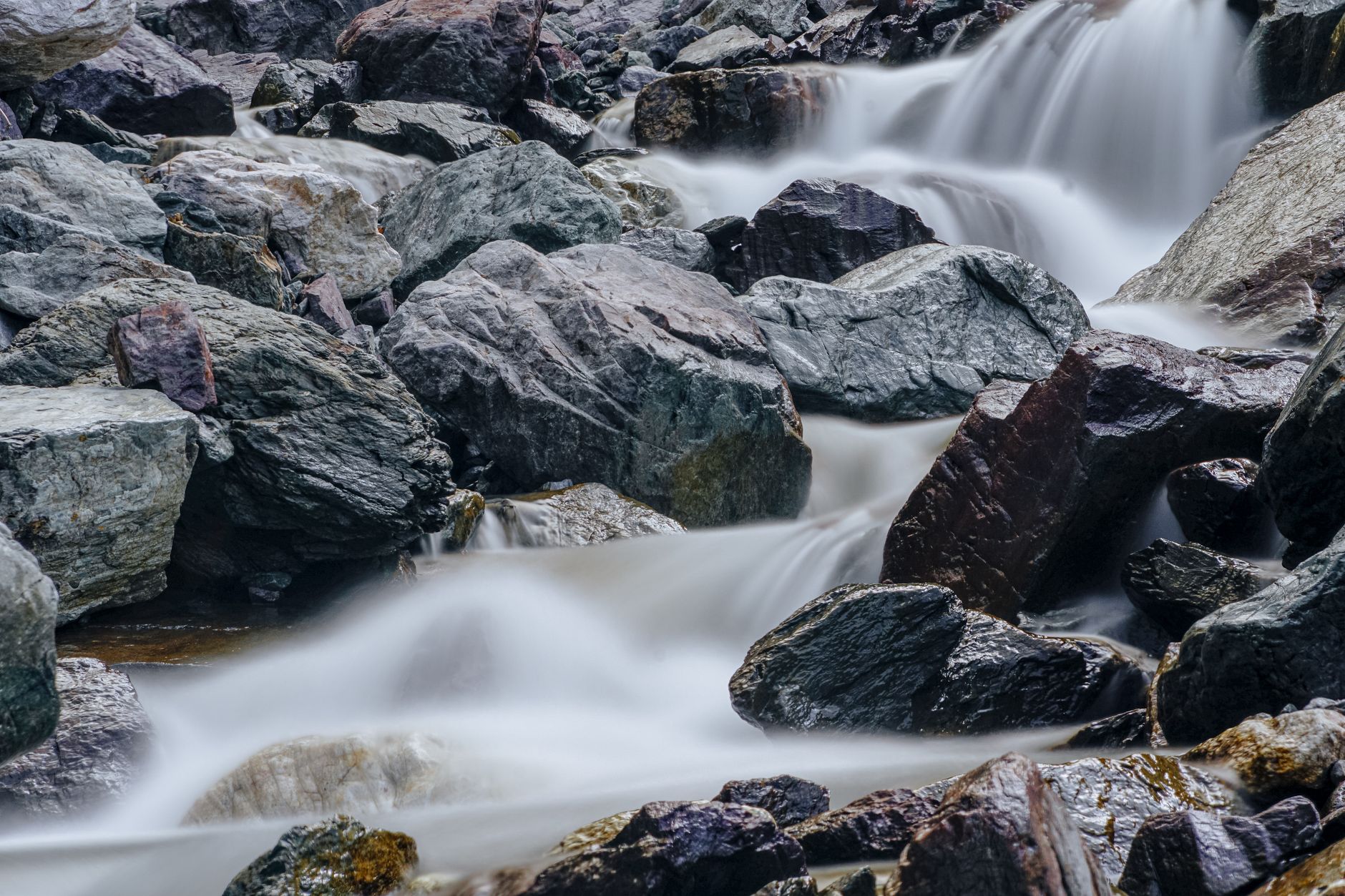
The 2026 photography gear market is absolutely flooded with ND filter options—variable NDs, magnetic systems, 15-stop beasts for solar photography. But here’s what most beginners don’t realize: some of the most iconic long exposure images in history were captured without a neutral density filter attached. With summer landscape season in full swing and photographers hitting waterfalls, coastlines, and city streets after sunset, knowing how to work with long exposure photography settings without ND filter isn’t just a budget hack—it’s a legitimate creative skill that separates versatile shooters from gear-dependent ones.
ND filters absolutely have their place. But what happens when you forget yours at home, your variable ND introduces ugly cross-patterns, or you’re shooting in conditions where even a 3-stop filter pushes your exposure past practical limits? These seven techniques let you capture stunning motion blur, glassy water, and streaking clouds using nothing but your camera’s built-in capabilities and strategic timing.
Shoot During the “Blue Hour” Window for Natural Exposure Extension
The blue hour—that 20-40 minute window after sunset or before sunrise—delivers the most forgiving natural light for long exposure photography settings without ND filter. During this period, ambient light drops roughly 6-8 stops compared to midday, transforming a 1/60-second baseline exposure into 2-8 seconds without any filtration.
Here’s the practical breakdown: at golden hour’s end, you might meter at f/8, ISO 100, 1/15 second. Wait twenty minutes, and that same scene meters at f/8, ISO 100, 4 seconds. That’s enough to blur moving water into silk and soften cloud movement into painterly streaks.
Pro tip for 2026: Modern mirrorless cameras with real-time exposure simulation (Sony A7IV, Canon R6 II, Nikon Z6 III) let you preview exactly how long your exposure will run before pressing the shutter. No more guessing. No more chimping. Dial in your composition during fading light, then execute as the timer counts down.
For coastal shooters, the blue hour also solves the “wave timing” problem. You need 2-4 seconds to blur surf into that misty, ethereal look popularized by photographers like Michael Kenna. Without an ND, shooting at 10 AM requires f/22 and ISO 50—introducing diffraction and noise trade-offs. At blue hour, f/8 and ISO 100 deliver the same result with optimal image quality.
Stack Your Aperture and ISO for Maximum Native Exposure Length
When you need long exposure photography settings without ND filter during brighter conditions, your aperture and ISO become your primary control dials. Most photographers instinctively stop down to f/16 or f/22, but there’s a smarter approach that preserves image quality.
Start at your lens’s sharpest aperture—typically f/5.6 to f/8 for most modern lenses. Drop ISO to your camera’s true base (often 64 or 100, not the expanded Lo settings that crush dynamic range). Then, and only then, stop down further if needed.
The math matters. At ISO 100, f/8, in overcast conditions, you might get 1/4 second. Stop to f/16: 1 second. f/22: 2 seconds. That’s genuinely useful for moderate water blur, though you’ll hit diffraction softening. The 2026 generation of cameras—particularly the Nikon Z6 III and Sony A7R V—handle diffraction correction better in-camera, but it’s still a compromise.
Better approach: Embrace the shorter exposure. 1/2 to 1 second creates a different aesthetic than 30 seconds—more texture in water, more defined cloud edges. It’s not worse, just different. Many editorial landscape shooters specifically prefer this “partial blur” look for storytelling purposes.
Leverage Your Camera’s Multiple Exposure and Intervalometer Modes
Here’s where modern firmware transforms long exposure photography settings without ND filter from a limitation into a technique. Several 2026 camera bodies—including Canon’s R5 II, Fujifilm’s X-T5, and Sony’s newer Alpha series—offer in-camera multiple exposure averaging that simulates extreme long exposures without filters.
The method: Set your camera to capture 10-30 frames at 1-second intervals, then blend them automatically. Each individual frame might be 1/2 second, but the averaged result mimics a 15-30 second continuous exposure. Water smooths. Clouds streak. And because you’re averaging noise across multiple captures, dynamic range and shadow detail often exceed a single long exposure.
Fujifilm’s “Multi-Exposure” and Sony’s “Smooth Reflection” app (now built into newer bodies) handle the math internally. For other systems, capture a burst manually and blend in Photoshop using the “Mean” stack mode. This technique particularly shines during twilight transitions when a single 30-second exposure might blow highlights while the multiple-frame approach preserves detail through intelligent averaging.
Shoot in Directional Shade and Backlit Scenarios
Light quality matters more than light quantity for long exposure photography settings without ND filter. A scene in open shade can meter 3-4 stops darker than the same scene in direct sun—giving you those extended exposure times without touching an aperture or ISO dial.
The technique requires reading light directionally. Forest waterfalls with canopy cover? Often 2-4 seconds at f/8, ISO 100, no filter needed. Slot canyons in Arizona? The reflected, bounced light creates naturally extended exposure opportunities. Even urban shooters benefit: the shadow side of buildings during golden hour drops exposure values dramatically.
Backlighting offers another path. Shooting toward a bright sky with foreground in shadow creates high contrast, but if you expose for the foreground, your shutter extends naturally. The 2026 editing workflow—particularly AI-assisted masking in Lightroom and Capture One—makes recovering blown skies trivial, so this previously risky approach now delivers reliable results. Expose for the water at 4 seconds, let the sky blow slightly, then rebuild it with graduated filters in post.
Use Subject Motion and Camera Movement as Creative Substitutes
Sometimes the best long exposure photography settings without ND filter involve redefining what “long exposure” means for your specific subject. You don’t always need 30 seconds of static blur.
Intentional camera movement (ICM) transforms 1/4 to 2-second exposures into abstract art. Pan vertically with forest scenes. Rotate during urban shoots. The motion blur becomes the subject, not an obstacle to overcome. Photographer Chris Friel built an entire career on this approach, often shooting at 1/2 to 2 seconds with no filtration whatsoever.
For water specifically, consider shorter exposures that capture individual motion. 1/15 second shows water’s texture and energy rather than eliminating it. This “short long exposure” aesthetic—popularized in 2025-2026 by outdoor editorial shooters—feels more dynamic and less clichéd than the fully milked look.
Light trails in cities? You need darkness, not ND filtration. Shoot after true sunset, use f/8-11, ISO 100, and capture 5-15 second exposures as traffic passes. The only “filter” is timing.
Embrace Your Camera’s Extended Shutter and Bulb Timer Features
Modern mirrorless bodies have eliminated the mechanical limitations that once made long exposure photography settings without ND filter frustrating. Electronic shutters eliminate vibration. In-body stabilization allows handheld multi-second experiments. And critically, bulb timers now operate through smartphone apps or camera menus with precision impossible five years ago.
The Nikon Z8/Z9, Canon R3/R5 II, and Sony A1 II offer programmable bulb exposures up to 900 seconds (15 minutes) without external intervalometers. At night, this replaces even the strongest ND filters. Star trail photography, lunar-lit landscapes, and extreme minimalist seascapes all become accessible.
For daytime extension without ND, combine this with your camera’s lowest native ISO. The Fujifilm GFX100S II offers ISO 50 native. The Nikon Z7 II hits ISO 64. These aren’t marketing numbers—they’re genuine sensitivity reductions that directly extend shutter times compared to ISO 100 bodies.
Post-Processing Techniques That Extend Your Effective Exposure
Your editing workflow can simulate and enhance long exposure photography settings without ND filter captures in ways that complement in-camera technique. This isn’t about faking it—it’s about maximizing what you legitimately captured.
Frame averaging in Photoshop: Stack 10-20 sequential frames (captured with your camera’s drive mode) and set blend mode to “Mean.” This produces genuine noise reduction and motion smoothing identical to a single long exposure. Waterfalls shot at 1/2 second across 20 frames become effectively 10-second exposures.
Motion blur filters applied selectively: For skies where cloud movement was insufficient, Radial Blur or Path Blur in Photoshop, masked to the sky only, extends apparent exposure time. Use it sparingly—overdone, it looks artificial.
Luminance smoothing in RAW processing: Lightroom’s 2026 “Texture” and “Clarity” adjustments, applied negatively with masks, can simulate the “softened” look of extreme long exposures on water and foliage without destroying detail elsewhere.
Conclusion
ND filters remain valuable tools, but they’re not mandatory for compelling long exposure work. By mastering long exposure photography settings without ND filter—through blue-hour timing, aperture stacking, in-camera multiple exposures, directional shade shooting, creative motion techniques, extended bulb features, and intelligent post-processing—you build adaptability that improves all your photography.
The best shooters in 2026 aren’t defined by their filter collections. They’re defined by their ability to read light, understand their camera’s full capability range, and execute creative vision regardless of gear limitations. Start with one technique from this guide on your next outing. Leave the filter in your bag. See what becomes possible when the constraint becomes the catalyst.