
How to Photograph Waterfalls with Slow Shutter Speed: The 2026 Field Guide
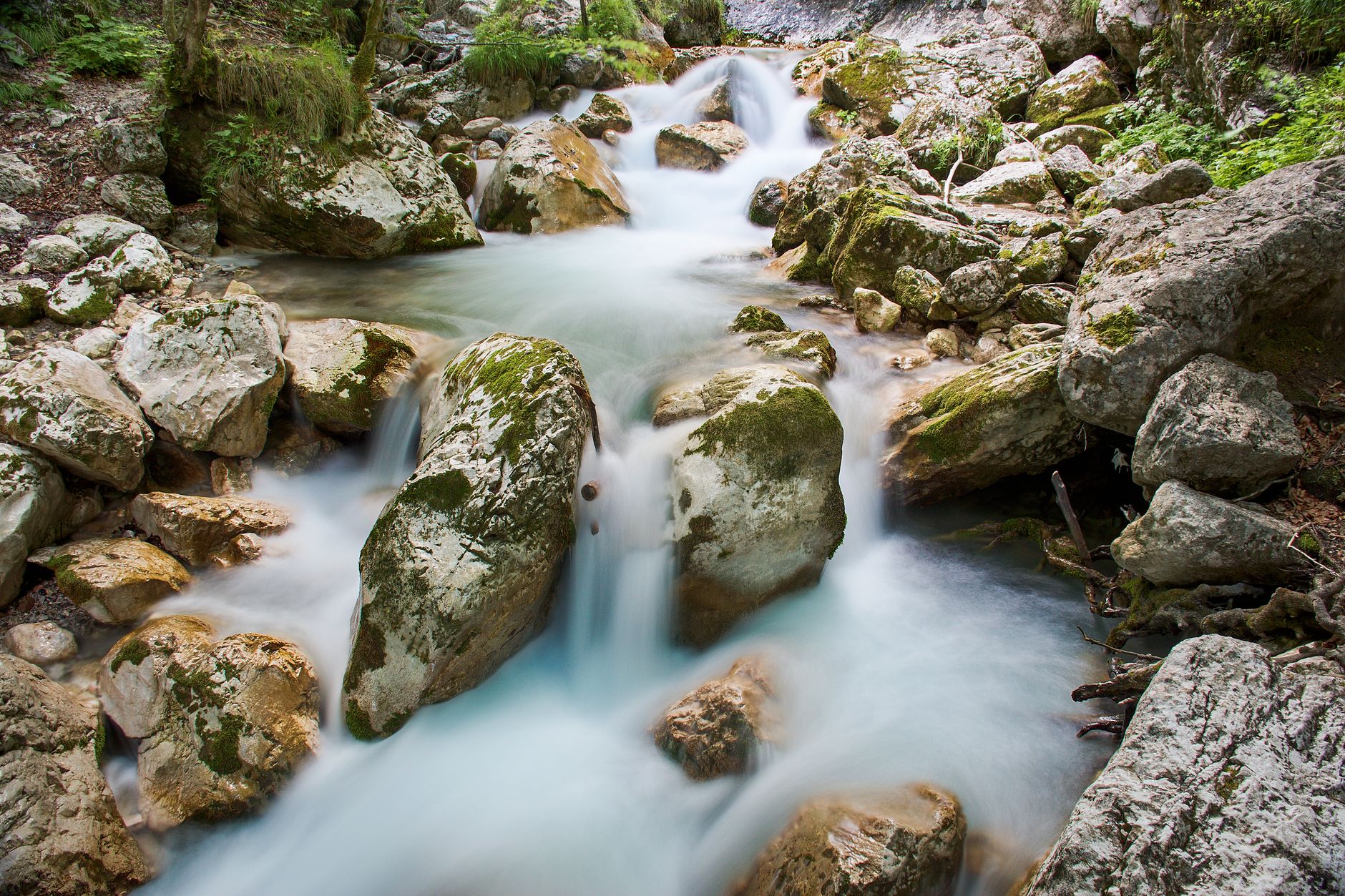
With the 2026 monsoon season delivering record rainfall across the Pacific Northwest and Iceland’s highlands seeing unprecedented flow rates, waterfall photography is having a moment. Social feeds are flooded with misty, ethereal cascades, yet most beginners still struggle to capture that silky smooth water effect without expensive gear. Learning how to photograph waterfalls with slow shutter speed remains the fundamental skill that separates snapshot takers from landscape artists, and this year’s camera technology makes it more accessible than ever.
Whether you’re shooting with the latest global shutter mirrorless bodies or a five-year-old DSLR, the principles remain consistent while the tools have evolved dramatically. Modern in-body stabilization now compensates for up to 8.5 stops, and computational photography features can simulate long exposures in bright daylight. Here’s your complete field guide to mastering waterfall photography in 2026.
Essential Gear for Silky Water Shots
You don’t need a $6,000 setup to capture professional waterfall images, but specific tools make the difference between frustration and portfolio-worthy shots.
The Non-Negotiables:
- Sturdy tripod: Carbon fiber models like the Peak Design Travel Tripod or Manfrotto Befree remain 2026 favorites for their vibration dampening
- Remote shutter or 2-second timer: Even with IBIS, touching your camera at 1/4 second introduces micro-blur
- Circular polarizer (CPL): Cuts glare on wet rocks and saturates autumn foliage surrounding the falls
The Game Changer—ND Filters: While high-end cameras now feature built-in electronic ND (like the Sony A9 IV’s variable ND system), most shooters still rely on screw-on or square filters. For waterfall work, carry:
- 3-stop ND: Overcast days or shaded canyons
- 6-stop ND: Bright daylight, achieving 1-2 second exposures
- 10-stop ND: Extreme smoothing for 30+ second exposures when you want to eliminate all texture
2026 Innovation Note: Several manufacturers now offer magnetic filter systems with built-in CPL/ND combos that rotate independently, eliminating the vignetting common in stacked filters at 16mm.
Mastering Camera Settings for Flowing Water
The “correct” shutter speed depends entirely on the waterfall’s volume and your creative vision. There’s no universal setting, but these starting points work for 90% of scenarios.
Shutter Speed Sweet Spots:
- 1/15 to 1/4 second: Retains texture and detail in the water while softening the flow—ideal for powerful, thundering falls like Niagara or Iceland’s Dettifoss
- 1/2 to 1 second: The classic “silky” look that maintains some directionality in the flow
- 2 to 4 seconds: Dreamy, mist-like appearance for delicate cascades and multi-tiered falls
- 15+ seconds: Creates surreal, fog-like effects where the water appears as mist, popular in minimalist 2026 landscape portfolios
Aperture Strategy: Set your aperture between f/8 and f/11 for optimal sharpness across the frame. Avoid f/16 or smaller unless necessary—diffraction softens fine details in the surrounding rocks and foliage. If you need more depth of field, focus stack instead of stopping down excessively.
ISO and Exposure: Keep ISO at base level (typically ISO 100 or 64 on 2026 sensors). Enable your camera’s histogram and expose to the right without clipping highlights in the water. Modern sensors from Canon, Nikon, and Sony recover shadows cleanly, but blown-out water highlights remain unrecoverable.
Focus Technique: Manual focus using focus peaking or magnified live view. Autofocus struggles with low-contrast mist and moving water. Focus one-third into the scene, typically on rocks adjacent to the water flow rather than the water itself.
Composition Techniques That Elevate Your Shots
Technical settings mean nothing without compelling composition. Waterfalls present unique challenges with high dynamic range and chaotic elements.
Foreground Interest: Position rocks, fallen leaves, or leading lines in the lower third of your frame. In 2026, the trend has shifted from centered, symmetrical compositions to dynamic angles that emphasize the waterfall’s environment. Get low—sometimes just inches above the water level—to create immersive perspectives.
Vertical vs. Horizontal: Tall, narrow falls demand vertical orientation to emphasize height, while wide cascades suit horizontal framing. Don’t default to landscape orientation; many 2026 portfolio winners utilize 4:5 vertical crops optimized for social media without sacrificing print quality.
Managing Dynamic Range: Waterfalls often feature bright water against dark canyon walls. Bracket exposures if your camera lacks the dynamic range to capture both. Alternatively, use your CPL to reduce reflections on wet rocks, effectively lowering the scene’s contrast by 1-2 stops.
Weather Matters: Overcast days provide the best natural lighting for waterfall photography, eliminating harsh shadows and blown highlights. If shooting in sunlight, position yourself so the sun is behind the waterfall (backlit) to create rim lighting on the mist, or wait for cloud cover.
Advanced Techniques for 2026
Modern cameras offer features that simplify waterfall photography significantly compared to even two years ago.
In-Camera ND Simulation: Cameras like the OM System OM-1 Mark III and Fujifilm X-T6 now feature computational long exposure modes. These stack multiple frames to simulate 2-30 second exposures without physical filters. While purists argue about authenticity, the results are indistinguishable from optical ND filters for web and print use up to 24 inches.
Pixel Shift for Ultimate Detail: If your camera supports pixel shift multi-shot (now common in 2026 mirrorless bodies), use it for static elements around the waterfall. The water will blur naturally during the capture sequence, but rocks and foliage gain incredible resolution and color accuracy—perfect for large format printing.
Focus Stacking with Long Exposures: Combine techniques by shooting a focus stack series at your chosen slow shutter speed. Modern software like Helicon Focus and Photoshop 2026’s enhanced auto-blend handles the water movement surprisingly well, aligning the blurred patterns while maintaining sharp foreground and background elements.
Safety and Etiquette: Slippery rocks claim more camera gear than any other landscape scenario. Use a tripod with spiked feet, wear microspikes in wet conditions, and never turn your back on the water when near the edge. Additionally, popular locations now require timed entry permits—book your 2026 slots months in advance for places like Multnomah Falls or Skógafoss.
Post-Processing for Maximum Impact
The work doesn’t end in the field. Waterfall images require specific editing approaches to look natural rather than over-processed.
White Balance: Auto white balance often cools down waterfall scenes excessively. Aim for a neutral to slightly warm tone (5000-5500K) to maintain the natural greens of surrounding moss without making the water look blue or cyan.
Highlight Recovery: Even with perfect exposure, water highlights need attention. Use targeted masking to recover detail in the brightest parts of the cascade while maintaining the ethereal glow. Modern AI masking in Lightroom and Capture One 2026 identifies water automatically, speeding up this process significantly.
Texture vs. Smoothness: Resist the urge to apply global noise reduction to the entire image. The water should remain smooth, but surrounding rocks and foliage need texture. Use luminosity masks to apply sharpening and clarity only to static elements, preserving the dreamy quality of the water.
Conclusion
Mastering how to photograph waterfalls with slow shutter speed opens up a world of creative possibilities that static images simply cannot match. As we move deeper into 2026, the combination of advanced stabilization, computational photography, and traditional optical filters gives you more control than ever before. Start with the 1-second shutter speed sweet spot, invest in a quality 6-stop ND filter, and prioritize composition over technical perfection.
The best waterfall images balance technical execution with emotional impact—conveying the sound, power, and tranquility of moving water through a single frame. Get out there during the next rainfall, experiment with different shutter speeds, and don’t be afraid to get your feet wet. Your portfolio will thank you.