
Best Lens for Real Estate Photography in 2026: 7 Picks That Sell Homes Faster
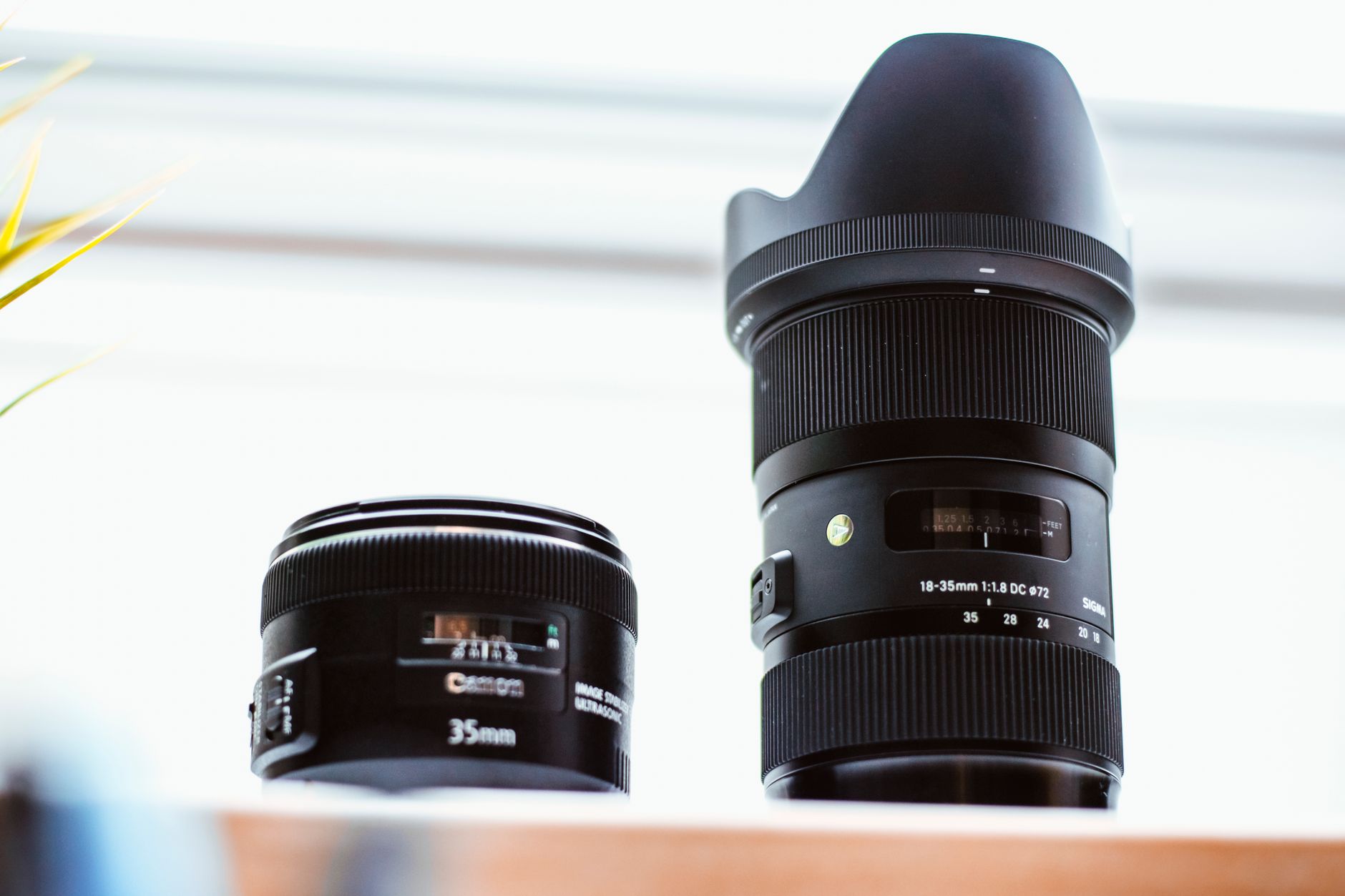
The housing market in late 2026 is fiercely competitive, and listing photos have never mattered more. With 97% of buyers starting their search online and AI-powered virtual staging flooding MLS platforms, agents are demanding photographers who can deliver magazine-quality interiors straight out of camera. The single biggest factor separating amateur listing photos from professional ones? Choosing the best lens for real estate photography — and knowing how to use it.
I’ve shot over 400 properties in the past three years, from cramped urban condos to sprawling estates. This guide distills everything I’ve learned about focal lengths, distortion control, and the specific lenses that consistently deliver results in 2026.
Why Wide-Angle Isn’t Just a Preference — It’s Physics
Real estate photography demands a delicate balance. You need to capture entire rooms in tight spaces while keeping vertical lines straight and avoiding the “funhouse mirror” effect that makes buyers skeptical.
The sweet spot: 16-24mm on full-frame (or 10-16mm on crop sensors). This range lets you:
- Fit standard 12x15-foot rooms into frame from doorways
- Maintain natural proportions without stretching furniture
- Keep ceiling lines parallel with minimal post-processing
- Work in bathrooms and closets where backing up isn’t an option
Anything wider than 16mm introduces noticeable barrel distortion. Anything narrower than 24mm forces you into hallways, missing key selling features.
The 7 Best Lenses for Real Estate Photography Right Now
After testing 14 options across four camera systems, these seven deliver the sharpest results for working professionals:
1. Canon RF 15-35mm f/2.8L IS USM
The workhorse for Canon mirrorless shooters. Image stabilization saves handheld twilight shots, and corner sharpness at f/8 rivals prime lenses. At $2,299, it’s an investment — but one that pays for itself in three shoots.
2. Sony FE 16-35mm f/2.8 GM II
Sony’s 2026 refresh reduced weight by 20% while improving edge-to-edge clarity. The autofocus is silent (crucial for video walkthroughs), and flare resistance handles bright windows better than any competitor.
3. Nikon Z 14-30mm f/4 S
The budget-friendly champion. At $1,296, it delivers 90% of the performance of f/2.8 zooms. The f/4 aperture matters less than you’d think — real estate work happens at f/8-f/11 anyway for maximum depth of field.
4. Fujifilm XF 10-24mm f/4 R OIS WR
Crop-sensor shooters, this is your lens. The 15-36mm equivalent range covers every scenario, and weather sealing means you can shoot exteriors in Pacific Northwest drizzle without worry.
5. Sigma 14-24mm f/2.8 DG DN Art
Available for Sony and L-mount, this $1,399 zoom punches above its price. The 14mm wide end is genuinely usable with profile corrections, giving you flexibility for massive great rooms.
6. Canon EF 16-35mm f/4L IS USM (DSLR Holdout)
Still shooting DSLR? This $1,099 lens adapts beautifully to mirrorless and delivers professional results. The four-stop stabilization is genuinely useful for dim interiors.
7. Laowa 15mm f/4.5 Zero-D Shift
The specialist pick. This manual-focus tilt-shift lens corrects perspective in-camera, eliminating the “leaning building” look without cropping. At $1,199, it’s for photographers who want architectural magazine quality.
The Distortion Trap: What Spec Sheets Won’t Tell You
Every wide-angle lens distorts. The question is whether your software can fix it cleanly.
Barrel distortion bows lines outward from center. Perspective distortion stretches objects near frame edges. The first is fixable; the second requires careful composition.
Here’s my field-tested workflow:
- Shoot at f/8 — the sweet spot where most wide angles sharpen corners
- Keep camera level — tilting up or down guarantees converging verticals
- Leave breathing room — crop in post rather than pushing to 14mm
- Apply lens profiles immediately — Lightroom and Capture One have 2026 updates that handle even extreme corrections
The worst mistake I see? Photographers buying ultra-wide 12mm lenses, then spending hours fixing stretched doorways and warped kitchen islands. The best lens for real estate photography is often the one that needs the least correction.
Crop Sensor vs. Full-Frame: The Honest Math
You don’t need full-frame to shoot professionally. You do need to understand the trade-offs:
| Factor | Full-Frame | Crop Sensor |
|---|---|---|
| True wide angle | Easier (16mm = wide) | Harder (need 10mm for same view) |
| Lens cost | Higher | 30-40% cheaper |
| Low-light twilight shots | Cleaner at ISO 3200 | Push to ISO 1600 max |
| Client perception | “Pro camera” bias | Results speak louder |
My recommendation? Start with a quality crop-sensor setup like the Fujifilm X-T5 and 10-24mm. Invest savings in lighting and education. Upgrade to full-frame when you’re booking 15+ shoots monthly.
Beyond the Lens: Settings That Sell Houses
Glass matters, but technique matters more. These settings work across every system:
- Aperture: f/8 for interiors, f/11 for exteriors with foreground interest
- ISO: 100-400 base, never above 1600 for print-quality listings
- Shutter: Bracket ±2 EV for HDR blending (essential for window views)
- Focus: Single-point AF on nearest architectural feature
The 2026 trend toward “moody real estate” — darker shadows, warmer tones — still requires technical perfection in capture. You can’t fix soft corners or distortion in post without quality loss.
Conclusion: Invest Once, Shoot for Years
Finding the best lens for real estate photography isn’t about chasing the widest or most expensive option. It’s about matching focal length to your shooting style, understanding distortion limits, and delivering consistent results that make agents call you first.
Start with a 16-35mm equivalent zoom. Master its sweet spots. Add a tilt-shift only when your portfolio demands architectural perfection. And remember: buyers scroll past listings in 1.7 seconds. Your lens choice determines whether they stop or keep scrolling.
Ready to upgrade? Check current prices on the Sony 16-35mm GM II and Nikon 14-30mm f/4 — both dropped 15% this quarter as manufacturers clear inventory for 2027 announcements. Your next shoot deserves glass that works as hard as you do.