
Best Lens for Concert Photography in 2026: 5 Picks That Nail Low Light
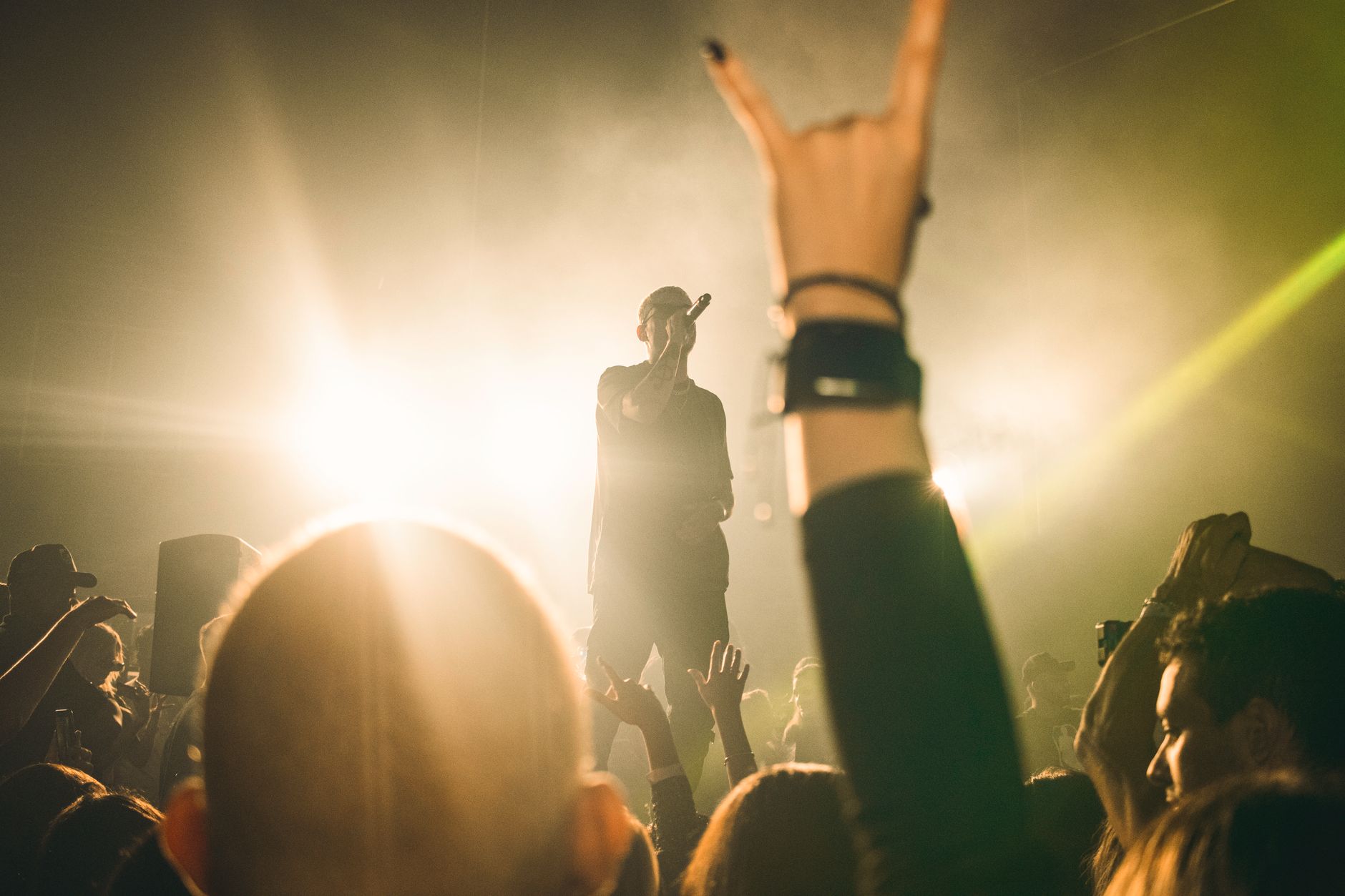
Fall tour season is in full swing, and if you’ve scrolled through your feed lately, you’ve seen it: the post-pandemic live music boom hasn’t slowed down one bit. Arena tours are selling out in minutes, festival lineups keep getting bigger, and photographers are fighting for pit spots like never before. Whether you snagged a photo pass for a local gig or you’re sneaking your mirrorless into a general admission show (check the venue rules first), one question always comes up: what’s the best lens for concert photography?
Here’s the honest answer — it depends on where you’re standing, what body you’re shooting, and how much you can spend. But after shooting everything from sweaty 200-cap club shows to stadium spectacles, I can tell you exactly which lenses consistently deliver and which ones will leave you with a memory card full of blurry, noisy regret.
Let’s break it down.
Why Concert Photography Is Brutal on Lenses
Concerts are basically the worst-case scenario for camera gear. You’re dealing with:
- Light levels that can drop below EV 2 — darker than most indoor sports
- Rapidly changing stage lighting — red washes one second, strobes the next
- Fast-moving performers who never hold still for your autofocus
- Distance constraints — you’re either crammed in a pit or stuck at the soundboard
This combination means your lens needs two things above all else: a wide maximum aperture (f/2.8 or faster) and reliable autofocus motors that can keep up in dim conditions. That nifty fifty with the plastic mount might be great for portraits, but it’ll hunt for focus while the guitarist nails the solo you wanted to capture.
The Best Lens for Concert Photography: Top 5 Picks for 2026
1. The Workhorse: 70-200mm f/2.8
If you can only bring one lens to a show, make it this one. The Sony FE 70-200mm f/2.8 GM OSS II, Canon RF 70-200mm f/2.8L, and Nikon Z 70-200mm f/2.8 VR S are all exceptional in 2026, and third-party options from Sigma and Tamron have closed the gap significantly.
Why it wins: From the pit, 70mm is wide enough for full-stage shots, and 200mm gets you tight close-ups of the lead singer’s face from the soundboard. The constant f/2.8 aperture keeps your shutter speed at 1/250s or faster without pushing ISO past 6400 on modern bodies.
Real-world tip: Shoot at f/2.8, 1/320s, auto ISO capped at 12800. That’s my baseline for 90% of shows.
2. The Pit Favorite: 24-70mm f/2.8
When you’re close enough to touch the barricade, the 24-70mm f/2.8 is king. It’s the lens most working music photographers reach for during those first three songs in the pit.
The Tamron 28-75mm f/2.8 Di III VXD G2 deserves special mention here — it delivers 90% of the performance of first-party glass at roughly half the price ($899 vs $2,299 for the Sony GM II). For photographers just breaking into concert work, that math matters.
3. The Budget Hero: 50mm f/1.8
Don’t have $2,000 to drop? A 50mm f/1.8 prime is the best budget lens for concert photography, period. At f/1.8, you’re gathering nearly three stops more light than an f/2.8 zoom, which means you can shoot at ISO 3200 instead of ISO 12800 in the same venue.
The trade-off is obvious: no zoom. You’ll need to move your feet and anticipate moments. But the image quality — especially wide open on the newer versions like the Nikon Z 50mm f/1.8 S — is genuinely stunning.
4. The Wildcard: 35mm f/1.4
For atmospheric, storytelling shots — the crowd bathed in blue light, the drummer silhouetted against a wall of haze — a 35mm f/1.4 is magic. The Sigma 35mm f/1.4 DG DN Art remains a top pick in 2026 for its sharpness wide open and beautiful rendering of stage lights as background bokeh.
This isn’t your first concert lens. It’s the one you add when you want your shots to look different from everyone else in the pit.
5. The Long Reach: 100-400mm f/4.5-5.6
Stuck at the soundboard for a stadium show? You’ll need reach. Modern super-telephotos like the Sony FE 100-400mm GM OSS II have surprisingly fast autofocus even in low light, and while f/5.6 at the long end sounds slow, today’s mirrorless bodies handle ISO 12800-25600 with impressive grace.
What About Aperture? The f/2.8 Rule (and When to Break It)
The conventional wisdom says you need f/2.8 or faster for concerts. That’s mostly true, but here’s the nuance:
- f/1.4-f/1.8: Ideal for dark club venues with minimal stage lighting
- f/2.8: The sweet spot for most arena and theater shows
- f/4-f/5.6: Workable only in well-lit outdoor festivals or with modern high-ISO bodies
One thing I’ve noticed shooting in 2026: the latest generation of mirrorless cameras from Sony, Canon, and Nikon handle ISO 12800 so cleanly that the aperture “rule” has loosened considerably. A modern body paired with an f/4 zoom can absolutely work for daytime festival sets.
Quick Settings Cheat Sheet for Concert Photography
Bookmark this before your next show:
- Mode: Manual with Auto ISO
- Shutter speed: 1/250s minimum (1/500s for energetic performers)
- Aperture: Wide open or stopped down 1/3 stop for slightly better sharpness
- ISO: Auto, capped at 12800 (25600 if your body handles it well)
- AF mode: Continuous AF with face/eye detection
- Drive mode: Medium burst (5-8 fps) — don’t spray and pray
- White balance: Shoot RAW and fix in post; stage lighting shifts constantly
Final Verdict: Which Lens Should You Buy?
If I had to pick one single best lens for concert photography in 2026, it’s the 70-200mm f/2.8. The versatility is unmatched — it handles pits, soundboards, and everything in between. Pair it with a 24-70mm f/2.8 and you can cover virtually any live music scenario.
On a tighter budget? Start with a 50mm f/1.8 and learn to anticipate moments instead of zooming into them. Some of the most iconic concert photos in history were shot on fixed focal lengths with film cameras that had terrible high-ISO performance. The lens matters, but your timing and positioning matter more.
Whatever you choose, get out there this tour season. The lights are going down, the crowd is roaring, and your next portfolio shot is waiting in the pit.