
Best Camera for Wedding Photography Beginners: 2026 Buying Guide
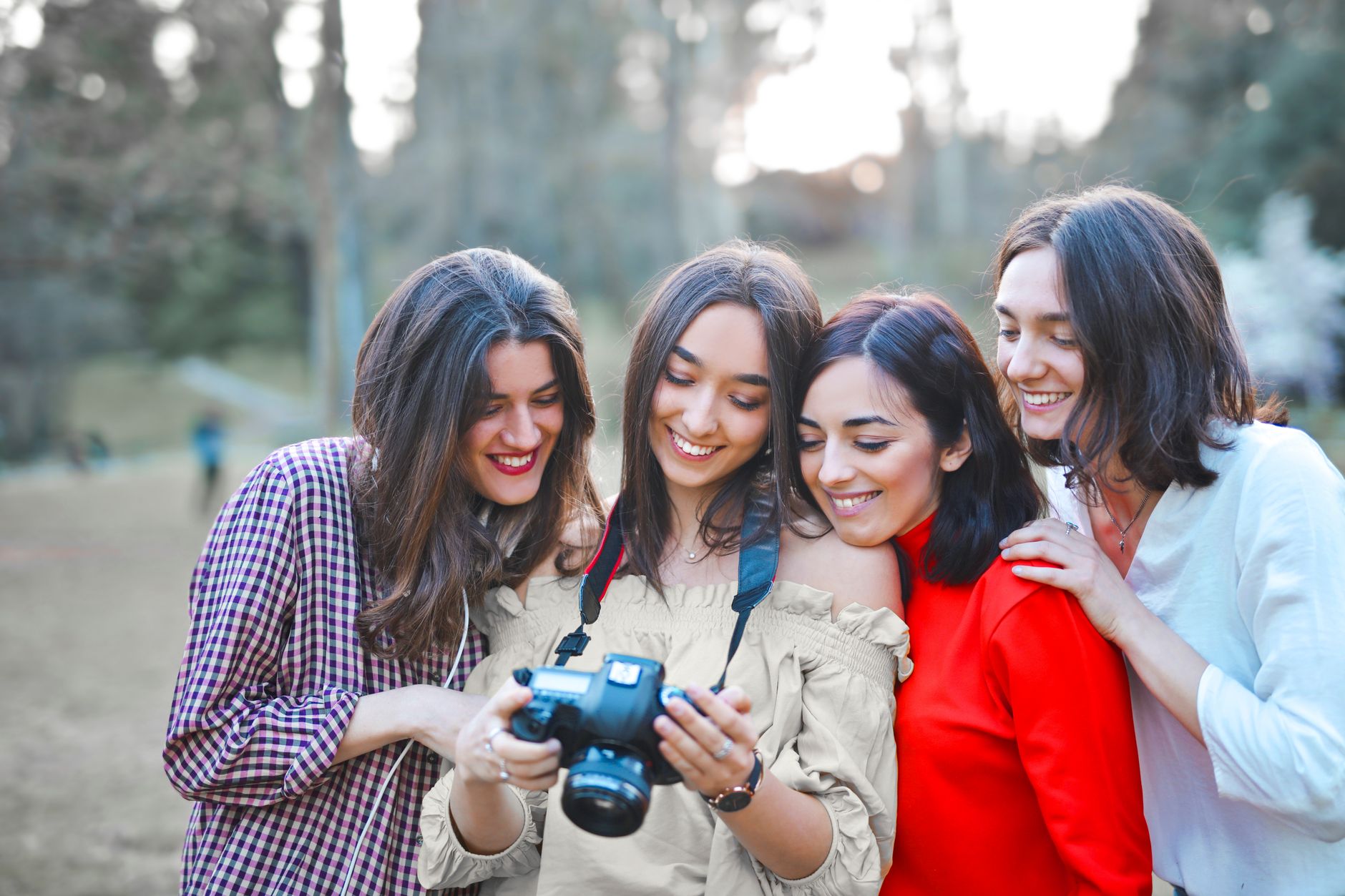
Wedding season 2026 is in full swing, and something interesting is happening: couples are booking newer photographers faster than ever. With veteran shooters retiring and demand for intimate, documentary-style weddings spiking, beginners with the right gear are landing paid gigs within months — not years. But here’s the catch: weddings are the most unforgiving genre in photography. No second takes, no controlled lighting, no do-overs. Choosing the best camera for wedding photography beginners isn’t about finding the cheapest option or the one with the most megapixels — it’s about finding a body that won’t fail you when the bride walks down the aisle in a dimly lit church at 6 PM.
This guide cuts through the noise. We’ll cover the features that actually matter, three camera picks across different budgets, and the mistakes that sink most first-time wedding shooters before they even start.
Why Weddings Demand More From Your Camera
Most beginner photography happens in forgiving conditions. Landscapes wait for you. Portraits can be rescheduled. Weddings? They’re a 10-hour sprint through every lighting scenario imaginable — harsh midday sun, candlelit receptions, dark dance floors with DJ lasers.
Your camera needs to handle three things flawlessly:
- Low-light autofocus. Ceremony venues often sit at ISO 3200-6400 territory. If your camera hunts for focus in the dark, you’ll miss the first kiss.
- Dual card slots. This is non-negotiable. Memory cards fail. When one does mid-ceremony, a second slot is the only thing standing between you and a lawsuit.
- Battery life. Mirrorless cameras have improved dramatically, but a wedding day means 2,000-4,000 shots. You need a body that lasts — or at least one that charges fast via USB-C between events.
Megapixels matter far less than beginners think. A 24MP sensor with great high-ISO performance beats a 45MP sensor that produces noisy mush at ISO 6400.
What to Look for in Your First Wedding Camera
Before we get to specific models, here’s your checklist. If a camera misses more than one of these, cross it off your list.
Full-frame sensor (strongly preferred). Crop sensors have come a long way, but full-frame gives you roughly a full stop of low-light advantage. That difference is the gap between a usable shot and a missed moment in a dark reception hall.
Reliable eye-detection AF. In 2026, every major brand offers some form of eye autofocus, but they are not equal. Sony and Canon lead here, with Nikon close behind. You need tracking that locks onto a subject’s eye and holds on while they walk, turn, or dance.
In-body image stabilization (IBIS). You’ll be shooting handheld for 8-12 hours. IBIS lets you drop your shutter speed 3-5 stops lower without blur — critical for dim venues where flash isn’t allowed.
Silent shutter mode. Many officiants and venues now require silent shooting during ceremonies. An electronic shutter with no rolling shutter distortion is essential.
Weather sealing. Outdoor weddings don’t stop for rain. Neither should your camera.
The 3 Best Cameras for Wedding Photography Beginners in 2026
Sony A7 IV — Best Overall Pick
The Sony A7 IV remains the sweet spot for beginners entering wedding work in 2026. Its 33MP full-frame sensor delivers clean files up to ISO 12800, and Sony’s Real-time Eye AF is still the gold standard for tracking moving subjects in chaotic environments.
Why it works for weddings specifically:
- 759 phase-detection AF points covering 94% of the frame — the couple stays in focus even at the edge
- Dual card slots (one CFexpress Type A, one SD UHS-II) for instant backup
- 10 fps burst shooting with full AF tracking — enough for confetti tosses and first dances
- Excellent third-party lens support from Sigma and Tamron, which keeps your total kit cost down
Pair it with a Tamron 28-75mm f/2.8 G2 and a Sony 85mm f/1.8, and you have a complete wedding kit for under $3,500.
Canon EOS R6 Mark II — Best for Fast-Paced Shooters
If your style leans photojournalistic — capturing candid moments as they unfold rather than staging shots — the R6 Mark II is built for you. Its 40 fps electronic burst mode is borderline absurd, and the deep-learning AF system recognizes people, animals (hello, ring-bearing dogs), and vehicles.
Standout features for wedding work:
- 8-stop IBIS — the best in class, letting you handhold at 1/15s for ambient ceremony shots
- Pre-shooting RAW burst captures frames before you fully press the shutter, so you never miss the exact moment the groom’s face breaks
- Canon RF 28-70mm f/2.8 IS STM launched in late 2025 as a budget-friendly fast zoom, making the RF system more accessible for beginners
The 24.2MP sensor might seem modest, but wedding clients rarely print larger than 16x20. What matters is that files are clean, colors are gorgeous straight out of camera, and skin tones need minimal editing — a huge time-saver when you’re delivering 800+ images.
Nikon Z6 III — Best Value Full-Frame
Nikon’s Z6 III quietly became one of the best wedding cameras in its price range after its 2024 release, and 2026 firmware updates have made its autofocus genuinely competitive with Sony and Canon. The partially stacked 24.5MP sensor reads out fast enough to eliminate rolling shutter issues in silent mode.
Why beginners should consider it:
- Brightest EVF in its class (5.76M dots, 4000-nit) — you can actually see your exposure in dark venues without chimping after every shot
- Nikon Z 24-120mm f/4 S is arguably the best single-lens wedding solution on any system — sharp wide open, versatile range, and reasonably priced
- Best-in-class battery life at roughly 410 shots per charge (CIPA), but real-world wedding shooting often yields 1,500+
Budget Breakdown: What a Starter Wedding Kit Actually Costs
Here’s a realistic look at what you’ll spend to shoot your first wedding professionally in 2026:
| Item | Budget Pick | Mid-Range Pick |
|---|---|---|
| Camera body | Nikon Z6 III ($2,200) | Sony A7 IV ($2,500) |
| Primary zoom lens | Nikon 24-120mm f/4 ($1,100) | Tamron 28-75mm f/2.8 ($900) |
| Portrait prime | Nikon 50mm f/1.8 S ($630) | Sony 85mm f/1.8 ($600) |
| Extra batteries (2) | $140 | $160 |
| Memory cards (2x 128GB) | $120 | $200 |
| Total | ~$4,190 | ~$4,360 |
Notice something? The total lands in the same range regardless of brand. That’s because the lens ecosystem matters as much as the body. Don’t blow your entire budget on the camera and leave nothing for glass.
One more thing: buy a second body before you book your first solo wedding. It can be an older or used model — a Sony A7 III or Canon EOS R as backup costs $800-1,000 used in 2026. Shooting a wedding with a single camera body is like driving without a spare tire. It works until it doesn’t.
Common Mistakes First-Time Wedding Shooters Make
Buying too much resolution. A 61MP sensor sounds impressive until you’re culling 3,000 images and your editing software crawls. For weddings, 24-33MP is the sweet spot.
Ignoring ergonomics. Spec sheets don’t tell you how a camera feels at hour nine. Visit a camera store, hold each body with a lens attached, and simulate shooting for 10 minutes. Your hands will tell you which one is right.
Skipping the flash. Natural light is beautiful until the reception moves into a windowless ballroom. A basic speedlight like the Godox V860III ($130) with a bounce card handles 90% of reception lighting situations.
Forgetting about video. In 2026, most couples expect at least some video coverage. All three cameras above shoot 4K/60p. You don’t need cinema-grade specs — you need reliable autofocus in video mode and clean HDMI output if you add an external recorder later.
Your Next Steps
The best camera for wedding photography beginners is the one that disappears in your hands and lets you focus on moments instead of menus. All three picks above — the Sony A7 IV, Canon R6 Mark II, and Nikon Z6 III — will serve you well for your first 50+ weddings.
Here’s what to do this week: rent your top two choices for a weekend (lensrentals.com or a local shop), shoot a friend’s event or a styled session, and pay attention to which camera you reach for instinctively. That gut reaction matters more than any spec comparison.
Then invest the money you save into a fast prime lens, a reliable flash, and a second memory card. Your future clients won’t ask what camera you used — they’ll ask how you captured the moment so perfectly. Make sure your gear never gets in the way of your answer.