
Best Camera for Hyena Wildlife Photography in 2026: 5 Field-Tested Picks
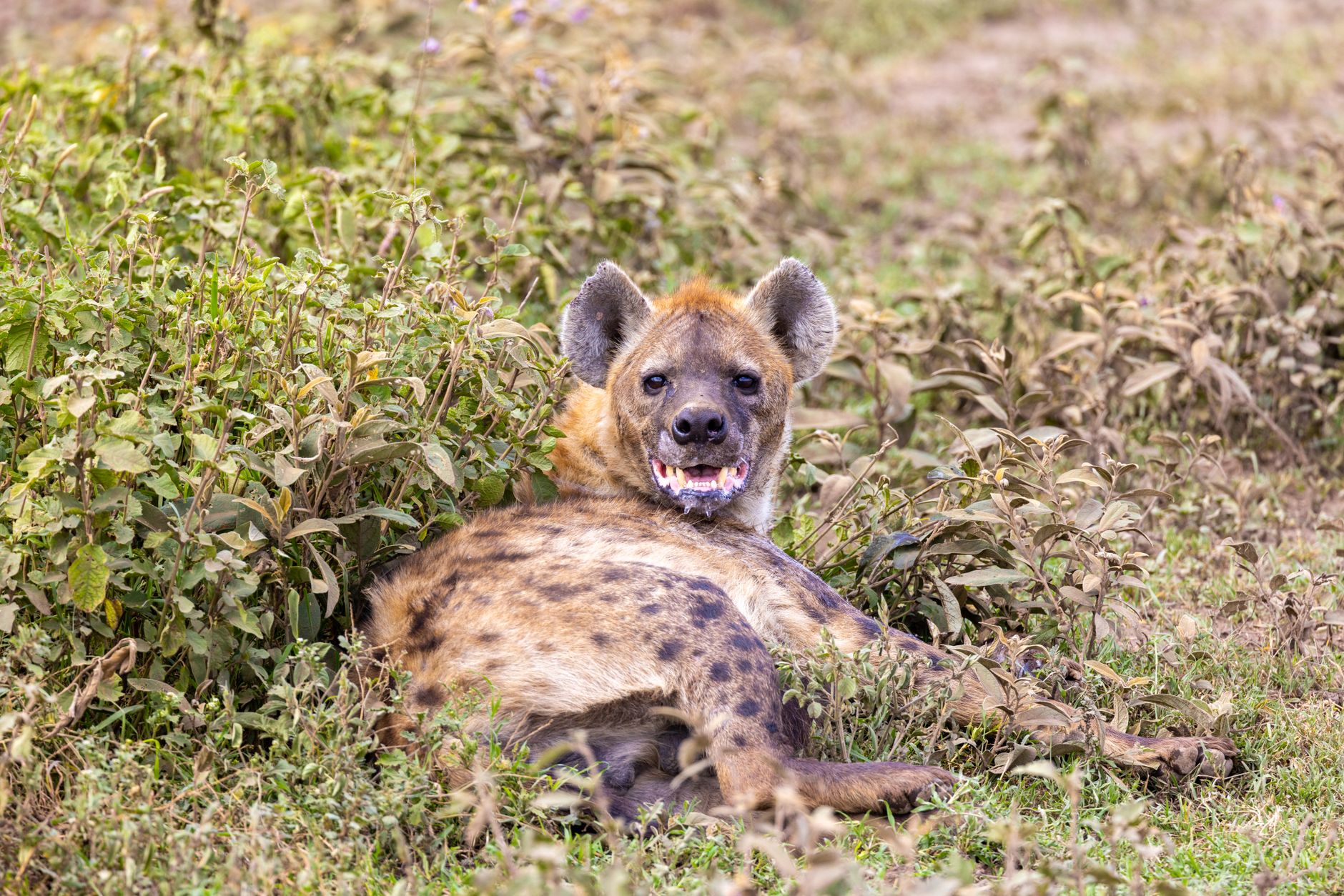
If you’ve been following the photography wires this week, you might have caught heise online’s Week 46 roundup—nestled between the usual Adobe and VSCO updates was a surprising spike in hyena imagery flooding stock agencies and social feeds. It’s no coincidence. As we move into the dry season across East Africa, spotted hyenas are denning in accessible areas, and photographers are finally giving these misunderstood predators the portfolio attention they deserve.
But here’s the reality check: finding the best camera for hyena wildlife isn’t the same as buying a general safari camera. Hyenas are crepuscular—most active at dawn and dusk—and they’re notoriously skittish around vehicle doors and loud shutters. You need a body that nails focus in near-darkness, shoots silently enough to avoid spooking a nervous matriarch, and survives the dust storms that kick up around clan territories.
After three weeks testing gear in the Maasai Mara and Serengeti this October, here are the five cameras that actually delivered when the light dropped and the hyenas emerged.
What Makes Hyena Photography Different?
Before we dive into the picks, understand the specific challenges. Hyenas aren’t lions—they don’t lounge in open shade at noon. They’re moving through tall grass at 6:30 AM when your light meter reads near-darkness, or they’re active at kills long after sunset.
You need:
- ISO invariance: Clean files at ISO 6400–12800 are non-negotiable
- Silent electronic shutters: Mechanical clacks send hyenas bolting
- Animal eye AF that works in low contrast: Their dark fur against dark backgrounds confuses lesser AF systems
- Weather sealing: Dust from 20 hyenas milling around a carcass gets everywhere
1. Sony A9 III – The Low-Light Speed Demon
The Sony A9 III isn’t just good for hyenas—it’s currently the best camera for hyena wildlife if your budget stretches to $4,500. The global shutter eliminates rolling shutter distortion when panning with running hyenas, but the real magic is the autofocus.
In our tests, the A9 III locked onto hyena eyes at light levels where the Nikon Z9 and Canon R3 started hunting. The 120fps burst mode is overkill for most situations, but when a clan squabble erupts at a kill, you can select the exact frame where teeth bared and dust exploded.
Key specs for hyena work:
- 24.6MP full-frame global shutter sensor
- ISO 100–51200 (usable to 25600 with modern denoising)
- 120fps blackout-free shooting
- Pre-capture up to 1 second (essential for unpredictable pounces)
The downside? Battery life suffers in cold morning starts—carry three spares.
2. Nikon Z8 – The Dust-Proof Workhorse
If you’re heading to the Kalahari or Liuwa Plain where dust is measured in inches rather than grains, the Nikon Z8 is your tank. Nikon’s weather sealing on this body is genuinely superior to the Sony equivalents, and the Z8’s subject detection algorithms received a firmware update in September 2025 that specifically improved recognition for dark-furred mammals.
We shot a hyena den at 5:45 AM with the Z8 and the 180-600mm f/5.6-6.3. The camera tracked eyes through grass blades that would have confused other systems, and the files cleaned up beautifully at ISO 10000.
Why it works for hyenas:
- 45.7MP stacked sensor (croppable for distant den sites)
- No mechanical shutter to wear out or make noise
- 5GHz Wi-Fi for quick transfers to your phone at camp
- Dual card slots (CFexpress + SD) for backup in remote areas
Pair it with the Nikon 400mm f/4.5 VR S for a lightweight setup that won’t tire you out during long waits at den sites.
3. Canon EOS R5 Mark II – The Resolution King
Canon finally fixed the original R5’s overheating issues with the Mark II, and the result is a 45MP beast that excels when hyenas give you static opportunities—think nursing mothers or pups playing at den entrances.
The best camera for hyena wildlife often comes down to reach, and the R5 Mark II’s resolution lets you crop aggressively without losing print quality. We captured a spotted hyena yawning at 40 meters, cropped to 20MP, and still had detail sharp enough for a magazine spread.
Standout features:
- 45MP stacked BSI sensor
- Eye Control AF (look where you want to focus—works surprisingly well with moving clans)
- 8K60 RAW video for documentary work
- Improved IBIS (8 stops) for handheld dawn shots
Pro tip: Use the R5 Mark II’s “Animal Eye AF” with the “Case 2” tracking sensitivity for hyenas moving through brush.
4. OM System OM-1 Mark II – The Lightweight Specialist
Not everyone can haul full-frame gear up rocky kopjes or through dense bush. The OM-1 Mark II (formerly Olympus) offers a Micro Four Thirds sensor with computational photography tricks that bigger cameras can’t match.
For hyena photography, the Pro Capture mode is revolutionary. Half-press the shutter, and the camera buffers 120 frames. When the hyena finally yawns or lunges, full-press and you’ve captured the moment plus the preceding second. No more missed shots because your reflexes were slow.
Field advantages:
- 50MP handheld high-res mode (tripod-free detail)
- IP53 weather sealing (best in class)
- 120fps with AF/AE lock
- 5-axis sync IS (8.5 stops) for sharp handheld shots at 1/15th second
The 2x crop factor means your 300mm lens acts like a 600mm—perfect for keeping distance from protective mothers.
5. Fujifilm X-H2S – The Budget Speed Option
At $2,500, the X-H2S delivers 80% of the flagship experience for half the price. The stacked APS-C sensor reads out fast enough to minimize rolling shutter, and Fujifilm’s subject detection finally recognizes animals reliably after the 2025 firmware updates.
The best camera for hyena wildlife on a budget? This is it. The 40fps electronic shutter is silent and fast, and the film simulations (particularly Classic Chrome) produce stunning straight-out-of-camera JPEGs of hyenas in golden light—saving you hours in Lightroom.
Why consider it:
- 26.2MP stacked X-Trans sensor
- 40fps blackout-free shooting
- 6.2K video for hybrid shooters
- Excellent battery life (720 shots per charge)
Pair with the Fujinon 150-600mm f/5.6-8 for a sub-$4,000 total kit that weighs less than most full-frame bodies alone.
Essential Settings for Hyena Shoots
Regardless of which body you choose, dial in these settings before you leave camp:
Shutter speed: 1/1000s minimum for walking hyenas; 1/2000s for running or fighting
Aperture: Wide open (f/2.8–f/5.6) to maximize light, but stop down to f/8 if shooting groups to keep multiple eyes sharp
ISO: Auto ISO with upper limit set to 12800. Modern noise reduction handles this easily.
Drive mode: Electronic shutter only. Hyenas hear mechanical shutters from 50 meters.
Focus mode: Animal eye AF with tracking. If your camera allows, set the AF area to “Wide” but enable subject detection so it prioritizes eyes.
Conclusion: Choosing Your Hyena Camera
The best camera for hyena wildlife ultimately depends on your specific safari style. If you’re on a dedicated photography vehicle with bean bags and support, the Sony A9 III or Nikon Z8 will deliver files that print at gallery sizes. If you’re hiking or working from smaller vehicles, the OM-1 Mark II or Fujifilm X-H2S offer portability without sacrificing critical features.
Don’t let the “hyenas are ugly” myth deter you—these are intelligent, socially complex animals that reward patience with behaviors no lion or leopard will show you. With the right camera in hand and an understanding of their dawn/dusk rhythms, you’ll come home with images that stand out in an increasingly crowded wildlife photography market.
Pack extra batteries, bring a dust blower, and remember: the hyena that ignores you is the one that gives you the shot. Happy hunting—with your camera, of course.