
Beginner Camera Lens Focal Length Explained: The One Skill That Separates Snapshots From Real Photos
With Canon’s RF 28-70mm f/2.8 IS STM and Sony’s new budget-friendly FE 28-60mm f/3.5-5.6 OSS II both dropping in summer 2026, the entry-level zoom lens market is suddenly crowded with options that all promise the same thing: versatility. But here’s what those marketing boxes won’t tell you—buying the “right” focal length without understanding why it matters is like owning a sports car and never shifting out of second gear. The numbers on your lens barrel aren’t just specifications; they’re creative decisions waiting to happen.
This is beginner camera lens focal length explained the way I wish someone had walked me through it fifteen years ago: with zero jargon, real shooting scenarios, and the specific numbers that actually change how your photos look.
Why Focal Length Is the Secret Ingredient Your Camera Settings Can’t Fix
You can nail exposure, white balance, and focus perfectly—and still produce forgettable images. Focal length determines your perspective, and perspective is what makes viewers feel something.
Here’s the simple math: focal length is measured in millimeters (mm) and describes the distance between your lens’s optical center and your camera’s sensor. But forget the physics for a second. What matters practically is that lower numbers (16-35mm) see wider, middle numbers (35-85mm) approximate human vision, and higher numbers (85mm+) pull distant subjects closer.
The trap beginners fall into? Treating zoom lenses as “get closer” tools rather than perspective tools. Standing in the same spot and zooming from 24mm to 70mm doesn’t just enlarge your subject—it fundamentally reshapes the relationship between foreground and background, stretches or compresses facial features, and changes the emotional temperature of the frame.
Try this: photograph a friend at 24mm from three feet away, then at 85mm from ten feet away, keeping their head roughly the same size in the frame. The 24mm version exaggerates their nose, pushes their ears back, and makes the background feel distant and expansive. The 85mm version flattens features pleasingly, blurs the background more dramatically, and creates intimacy without physical closeness. Same person. Completely different psychological impact.
The Three Focal Length Zones Every Beginner Should Master
Rather than memorizing every millimeter, think in zones. These are the practical categories that define modern photography:
Wide Angle (16-35mm): Your storytelling zone. Emphasizes environment, exaggerates leading lines, and makes spaces feel immersive. Perfect for landscapes, cramped interiors, and environmental portraits where context matters. The distortion at 16mm can bend straight lines dramatically—use it intentionally for dynamic architecture, or correct it carefully for straight horizons.
Standard (35-85mm): Your “truthful” zone. 50mm on a full-frame camera closely matches human binocular vision, making it ideal for documentary work, street photography, and natural-looking portraits. This is where the 2026 Canon and Sony kit zooms live, and for good reason—it’s the most forgiving range for beginners learning to see like a camera.
Telephoto (85mm+): Your isolation zone. Compresses scenes, flattens perspective, and separates subjects from cluttered backgrounds. Essential for headshot portraits, wildlife you can’t approach, and sports where you’re stuck in the stands. The popular 85mm f/1.8 primes from Nikon, Sony, and third-party makers like Viltrox remain the smartest first “serious” lens purchase for portrait-interested beginners in 2026.
Notice these numbers assume full-frame sensors. If you’re shooting APS-C (Sony A6000 series, Fujifilm X-series, Canon R50), multiply by 1.5x. Micro Four Thirds (Olympus/OM System, Panasonic)? Multiply by 2x. That “nifty fifty” 50mm lens becomes a short telephoto portrait lens on smaller sensors—crucial to understand before buying.
How Focal Length Directly Controls Your Background (No Filter Required)
Here’s where beginners save thousands on gear. That creamy background blur you see in professional portraits? It’s not primarily about having an expensive f/1.2 lens. It’s about focal length plus subject distance.
At 200mm from fifteen feet away at f/5.6, your background will blur more dramatically than at 35mm from five feet away at f/1.8. The longer focal length compresses the background into soft abstraction, while the wide angle keeps environmental details sharp even at wide apertures.
Practical application: shooting a farmer’s market in 2026 with your new kit zoom. At 28mm, f/4, you’re three feet from colorful produce—every vegetable stall behind stays relatively sharp, creating busy, documentary chaos. Zoom to 60mm, step back to eight feet, same f/4—now that single squash becomes a hero against painterly, out-of-focus market activity.
This is why the 70-200mm f/4 zooms from every major manufacturer remain workhorse lenses despite slower apertures than their f/2.8 siblings. For beginners building skills without bankruptcy, a used 70-200mm f/4 often teaches more about selective focus than any f/1.4 prime.
The “Focal Length First” Decision Method for Real Shooting
When you raise your camera, train yourself to ask: What role does the background play?
- Background adds story → Wide angle, get close, let environment breathe
- Background provides context but shouldn’t compete → Standard zoom, moderate distance
- Background is distraction → Telephoto, maximize distance from subject, compress and eliminate
This reverses how most beginners shoot. They see something interesting, zoom until it fills the frame, then hope the background cooperates. Instead, decide your focal length based on background intention, then move your feet to compose.
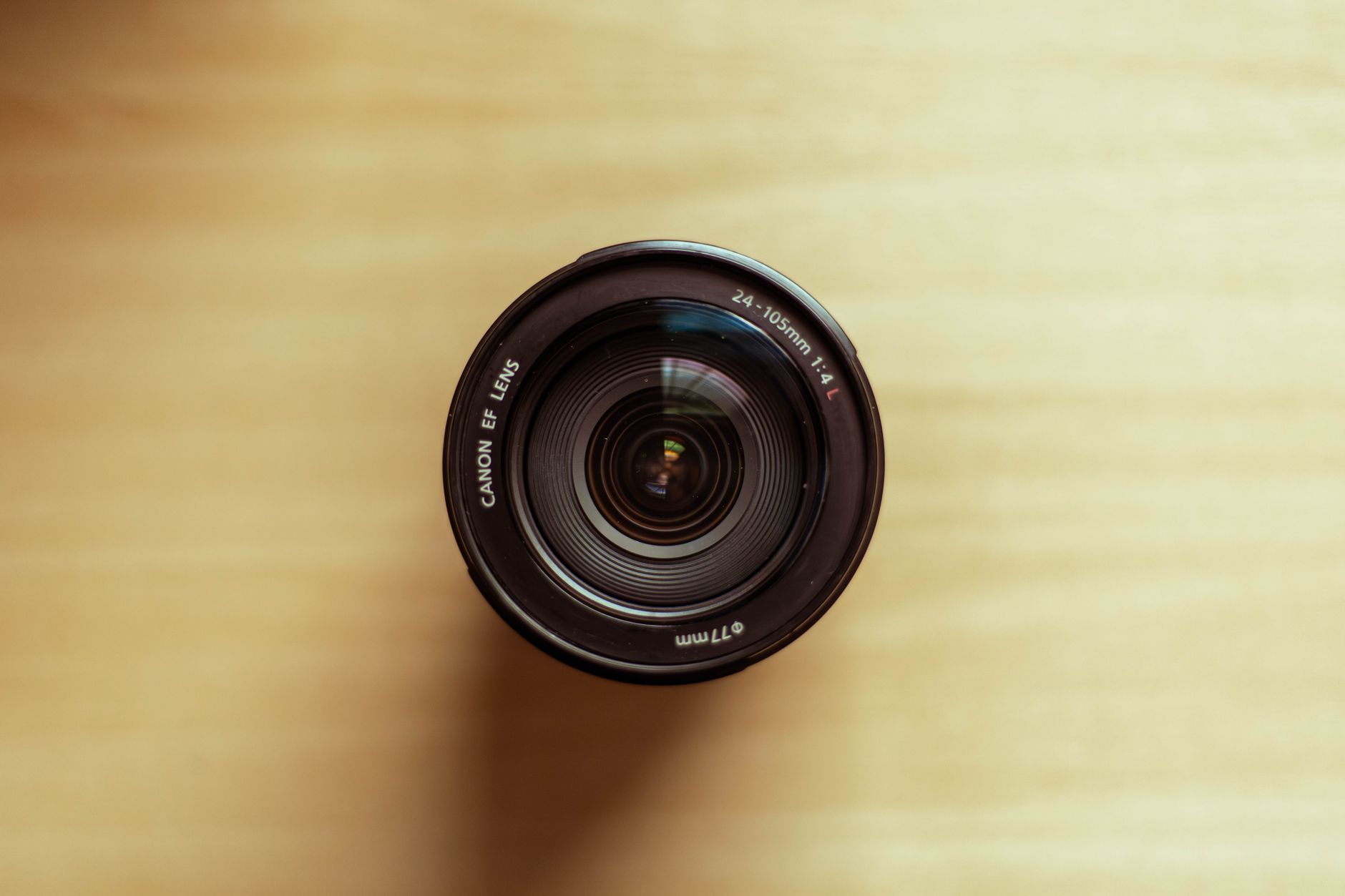
The 2026 trend toward compact, travel-friendly zooms (Canon RF 24-105mm f/4-7.1, Sony’s collapsing designs) actually helps this learning process. Having 24-105mm in one lens means one less excuse for not experimenting with the extremes. Force yourself to spend entire shoots at 24mm, then 105mm, rather than lazily zooming to “whatever looks right.”
Beginner Camera Lens Focal Length Explained: Your 30-Day Practice Plan
Understanding focal length intellectually means nothing until muscle memory develops. Here’s a concrete progression:
Week 1: One lens, one focal length. Tape your zoom ring at 35mm (or 50mm equivalent for your sensor). Shoot everything. Learn to move for composition rather than zooming.
Week 2: Add the extremes. Spend two days at your widest setting, two days at your longest. Notice how the same locations feel completely different.
Week 3: Background control exercises. Photograph the same subject against the same background at 24mm, 50mm, and 100mm equivalent, keeping subject size consistent. Study the differences.
Week 4: Intentional focal length selection. Before each shot, state aloud: “The background should be [prominent/contextual/gone], so I’m choosing [wide/standard/telephoto].” Sounds silly. Builds decisive shooting habits.
Conclusion: The Number That Changes Everything
Beginner camera lens focal length explained simply comes down to this: those millimeters are your most powerful tool for controlling what viewers notice, feel, and remember. More than megapixels, more than brand loyalty, more than the latest AI editing workflow, understanding focal length transforms how you see before you even press the shutter.
The 2026 camera market will keep selling you “versatile” zooms that cover every millimeter from here to infinity. But owning the range means nothing without the vision to choose deliberately. Start with one focal length. Master what it sees. Then expand your toolkit with intention.
Your snapshots don’t become real photos through better gear alone. They transform when every technical choice serves a creative purpose—and focal length is where that intention begins.