
5 Atmospheric Portrait Lighting Techniques 2026: Beyond the Instagram Filter Era
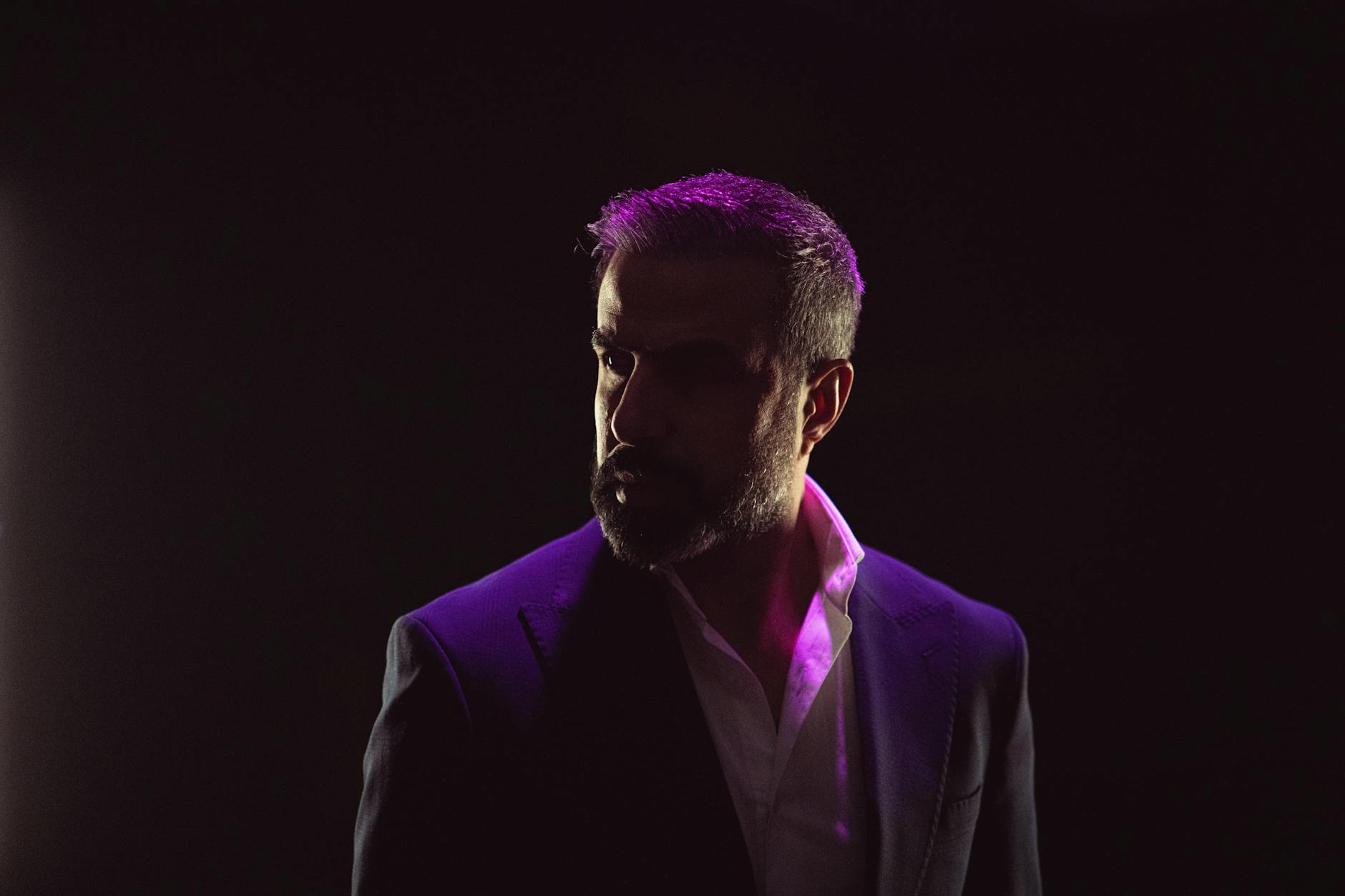
The Instagram algorithm just shifted again. Accounts like Photography Tips & Tricks (@photography__tips) are now prioritizing raw, emotionally charged portraits over perfectly polished content—and their engagement numbers prove audiences are hungry for something real. In 2026, the portrait photographers getting hired aren’t the ones with the cleanest white-background headshots. They’re the ones who can craft atmosphere: that intangible mood that makes viewers feel something before they even process what they’re seeing.
This is where atmospheric portrait lighting techniques 2026 become your competitive edge. Not generic three-point setups. Not rehashed Rembrandt patterns. We’re talking about deliberate, emotionally driven lighting decisions that transform a simple portrait into an immersive experience. Whether you’re shooting in a cramped apartment studio or working with unpredictable natural conditions, these five approaches will separate your work from the scroll-stopping masses.
1. The “Contaminated Key” Method: Intentionally Dirty Light
Clean light is out. Contaminated light is in.
This technique involves deliberately introducing color casts, bounce reflections, or secondary sources that “pollute” your primary key light. Think of it as the lighting equivalent of intentional film grain—imperfections that add texture and emotional weight.
Here’s how to execute it practically: Start with a standard soft key at 45 degrees, then position a small, hard source (a bare-bulb LED or even a smartphone flashlight) behind your subject at a raking angle. Set this secondary source to a contrasting color—warm amber against cool daylight, or deep cyan against tungsten warmth. The key is keeping it subtle. You want contamination, not chaos. At 10-15% relative intensity to your key, this secondary source creates edge separation and color complexity that reads as “expensive” on screen.
Photographers like those featured on @photography__tips have been experimenting with this using household objects—colored glass bottles, reflective Mylar emergency blankets, even projected water ripple patterns. The 2026 twist? Using addressable LED strips programmed to shift color temperature subtly across the exposure, creating living, breathing light that feels organic rather than static.
2. Negative Fill as Primary Shaping Tool
Most photographers treat negative fill as an afterthought. In 2026, the pros are flipping the hierarchy.
Instead of adding light to shape faces, start with removing it. Position your subject in a naturally dark environment—a garage with the door cracked, a room with blackout curtains, a shaded alleyway between buildings. Your “lighting setup” becomes strategic subtraction: black V-flats, flags, or even DIY cardboard blackouts that carve dimension into ambient light rather than adding sources.
The atmospheric magic happens when you let shadows fall where conventional teaching says they shouldn’t. Allow the eye on the shadow side to drop to near-black. Let the jawline dissolve into nothing. This isn’t underexposure; it’s selective darkness as creative choice.
For environmental portraits, this technique pairs devastatingly well with the location scouting trend dominating 2026. That boring parking garage your subject walks through daily? With negative fill positioning, it becomes a chiaroscuro cathedral. The key measurement: keep your key-to-fill ratio at 8:1 or higher. Meter the lit side of the face, then meter the shadow side. If you’re not at least three stops apart, you haven’t committed to the darkness.
3. Weather-Integrated Location Lighting
On-location portrait work in 2026 has fully embraced what used to be called “bad weather.” Rain, fog, snow, and even urban pollution are now treated as lighting modifiers rather than obstacles.
The technique requires rethinking your equipment priorities. Instead of maximum output, you need directional control in wet conditions. Small, battery-powered sources with IP65 ratings—think Aputure MC Pro, Godox AD100Pro with weather sealing—become essential. The goal isn’t overpowering ambient conditions; it’s harmonizing with them.
Practical execution: Shoot during active precipitation with a source positioned to backlight the water. At 1/250s or faster, falling droplets become specular highlights that create a natural “bokeh rain” effect around your subject. Position a second source at 45 degrees front for facial modeling, but keep it low enough that rain between light and subject adds atmospheric diffusion.
The @photography__tips community has been sharing remarkable examples of this using nothing but a single speedlight and a homemade rain-barrier (clear umbrella, cut strategically). The 2026 professional refinement? Coordinating strobe timing with precipitation intensity—firing during lulls for sharper facial detail, then dragging shutter through heavier falls for motion blur that implies environmental immersion.
4. Projection Mapping for Environmental Portraits
Static gobos are 2023. In 2026, affordable mini projectors have revolutionized what’s possible for atmospheric backgrounds.
The technique: Use a compact projector (Epson EF-12, XGIMI MoGo 2 Pro, or similar sub-2lb units) to cast animated or still textures behind your subject. Not as a backdrop replacement, but as interactive environmental light. Window shadow patterns that shift realistically. Dappled forest light in a basement studio. Urban neon reflections that respond to your subject’s movement.
The lighting integration is crucial. Your key must match the color temperature and apparent direction of the projected environment. If your projection shows warm afternoon window light from camera-left, your actual key source must duplicate that angle and warmth precisely. Mismatch breaks the illusion; alignment sells it completely.
Power considerations for 2026: Many mini projectors now run 2+ hours on internal batteries, and USB-C power delivery means standard photography battery banks extend operation indefinitely. The @photography__tips crowd has popularized using phone-based projectors for ultra-portable setups, though brightness limitations require darker base environments.
For maximum atmosphere, project through actual physical diffusion—sheer fabric, steam from a handheld steamer, even your subject’s own breath in cold conditions. The interaction between digital projection and physical particulate creates depth planes that read as genuinely dimensional.
5. Biometric-Responsive Lighting: The 2026 Frontier
The most advanced atmospheric technique emerging this year uses technology to make light reactive to human presence.
Pocket-sized sensors—heart rate monitors, galvanic skin response detectors, even simplified EEG headbands—can now interface with DMX controllers and programmable LEDs. The result: lighting that shifts based on your subject’s actual physiological state. Nervous energy creates cooler, more contrasty conditions. Relaxed states trigger warmer, softer responses.
Before you dismiss this as gimmick, consider the portrait context. Your subject’s awareness that the environment responds to them creates a feedback loop of presence and authenticity. The lighting becomes collaborator rather than tool.
Accessible entry points for 2026: Apps like Lume Cube’s latest update and third-party DMX bridges (DMXking eDMX1) allow smartphone sensor data to control affordable LED panels. Start simple—breathing rate controlling overall brightness in a slow pulse that encourages your subject to synchronize their breath with the light. The atmospheric quality of a portrait where subject and environment literally share rhythm is unmistakably different from static setups.
The @photography__tips experimental community has been exploring this with surprisingly accessible gear, though full biometric integration remains specialist territory. Even basic implementation—voice-activated color temperature shifts, or proximity-triggered intensity changes—creates interactive portrait sessions that generate genuinely unrepeatable moments.
Conclusion: Atmosphere as Intention, Not Accident
Atmospheric portrait lighting techniques 2026 aren’t about collecting equipment or memorizing setups. They’re about developing intentional mood literacy—the ability to read what emotional quality a situation calls for, then deliberately construct light that delivers it.
The photographers thriving this year, the ones building sustainable careers while others chase algorithmic trends, share one trait: they treat atmosphere as primary creative decision, not post-production afterthought. Every choice in this article can be executed with minimal gear, often in suboptimal conditions, because the technique lives in your observational and decision-making process, not your equipment list.
Start with one approach. Master its variables until you can predict results consistently. Then layer in complexity. The portrait market in 2026 rewards specificity over breadth—become known for a particular atmospheric quality, and the right clients will seek you out precisely for what others avoid.
The light is always there, in some form. Your job isn’t to perfect it. It’s to make it mean something.